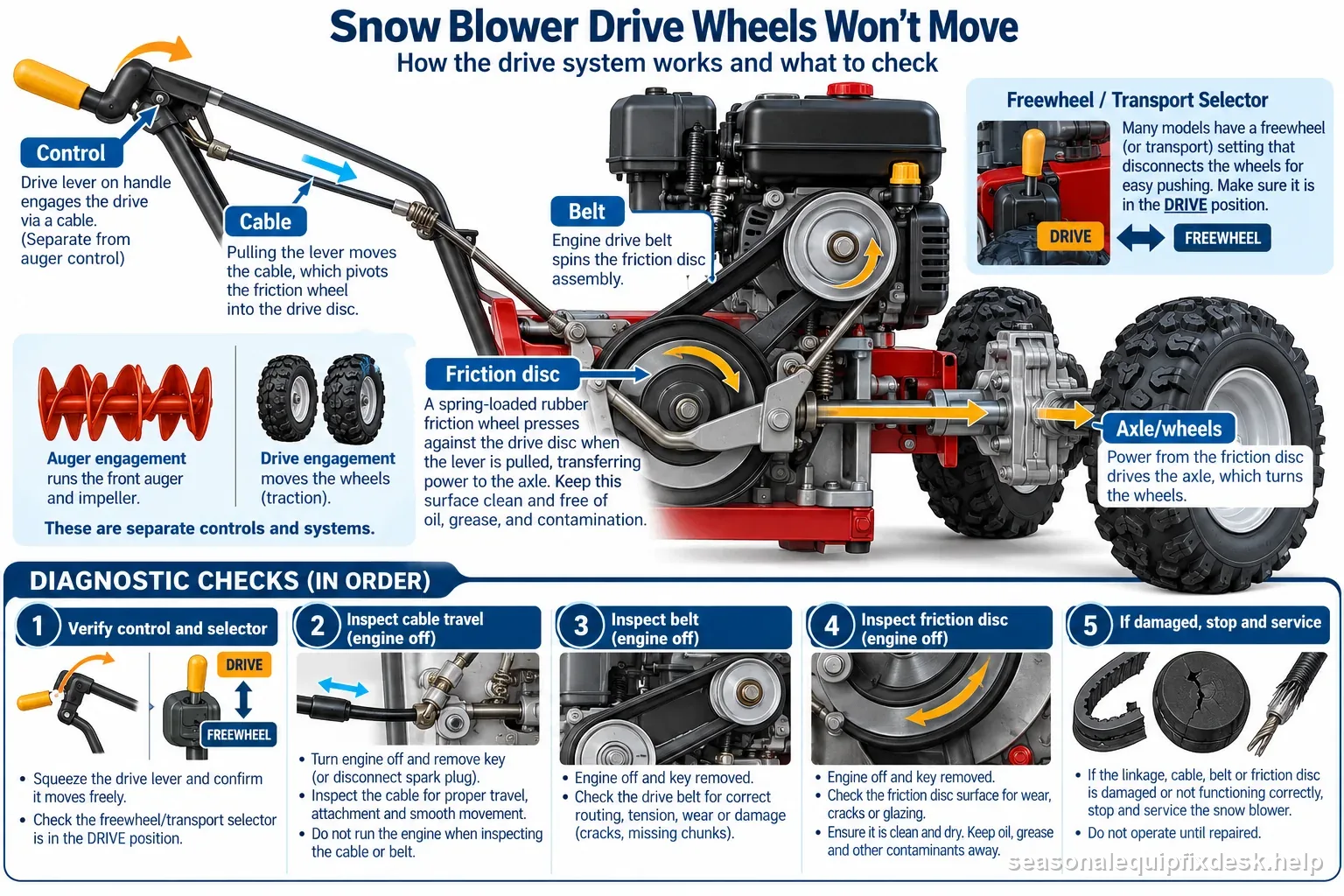
Quick answer: If the engine and auger work but the machine will not propel itself, keep the diagnosis on the traction side. Begin with the drive-control travel and whether both wheels are mechanically connected; then distinguish a belt/cable problem from friction-disc, axle, or hydrostatic faults according to the machine’s drive design.
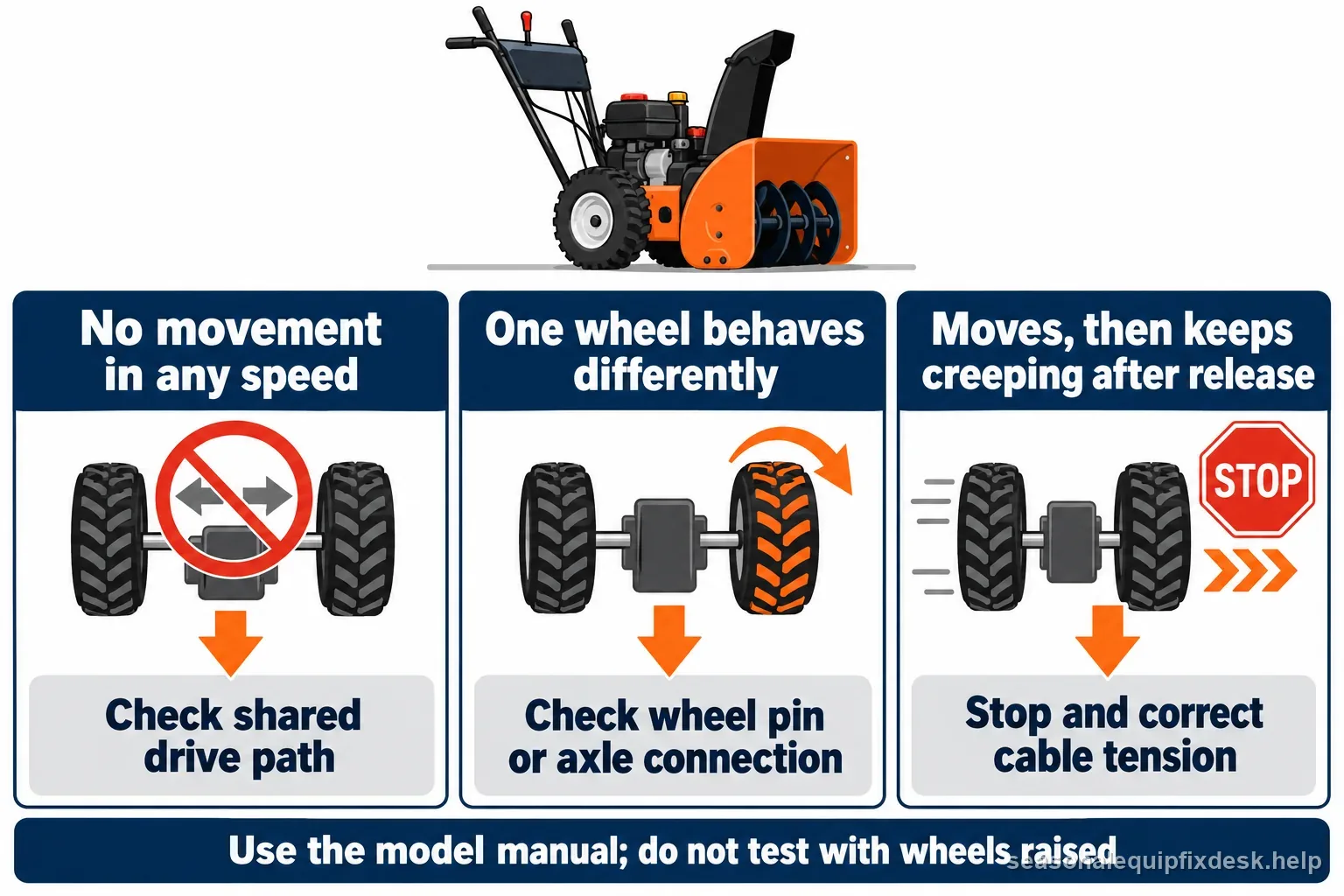
Test on level ground with the auger disengaged. A traction problem should not require loading the snow-handling system at the same time. If no speed range works, follow the shared drive path; if only one wheel behaves differently, start at that wheel’s pin or axle connection. A machine that continues to creep after you release the control has an unsafe disengagement fault.
| Observation | Possible meaning | Next step |
|---|---|---|
| Lever moves with little resistance | Cable or linkage travel | Inspect external path with engine off |
| Belt moves, wheels do not | Friction disc or drive transfer | Use exact service view; avoid running tests |
| One wheel slips | Axle, pin, or engagement | Compare both sides after shutdown |
| Traction changes with handle pressure | Adjustment or friction contact | Verify model procedure |
| Observation | Possible meaning | Next step |
|---|---|---|
| Traction changes with handle pressure | Adjustment or friction contact | Verify model procedure |
| One wheel slips | Axle, pin, or engagement | Compare both sides after shutdown |
| Belt moves, wheels do not | Friction disc or drive transfer | Use exact service view; avoid running tests |
| Lever moves with little resistance | Cable or linkage travel | Inspect external path with engine off |
First rule out a released or disconnected drive system
Some snow blowers have transport, freewheel, axle-pin, wheel-lock, or differential arrangements that can leave one or both wheels disconnected. Confirm the wheel/axle configuration from the operator manual before assuming an internal transmission failure.
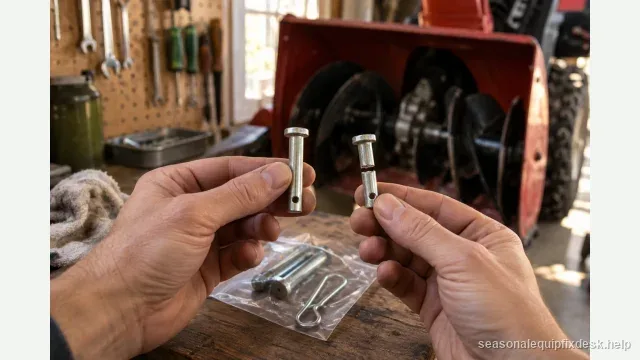
If one wheel turns freely while the axle does not, inspect its pin, key, or locking arrangement. If both wheels stay coupled but no torque reaches them, move inward to the control and drive mechanism.
| Observed symptom | First area to check | Why this branch fits |
|---|---|---|
| No travel in any forward or reverse setting | Shared drive cable, belt, friction drive, or transmission path | A common upstream fault can affect all speed selections |
| Only one wheel differs or freewheels | Wheel pin, axle connection, or model-specific differential/lock | A side-specific symptom narrows the path to that wheel |
| Some speed positions work but others do not | Selector linkage and friction-wheel contact position, if fitted | The drive engages, but not across the full selector travel |
| Machine creeps after the lever is released | Cable tension or disengagement fault | Stop use until it releases and stops promptly |
Control-cable travel matters at both ends
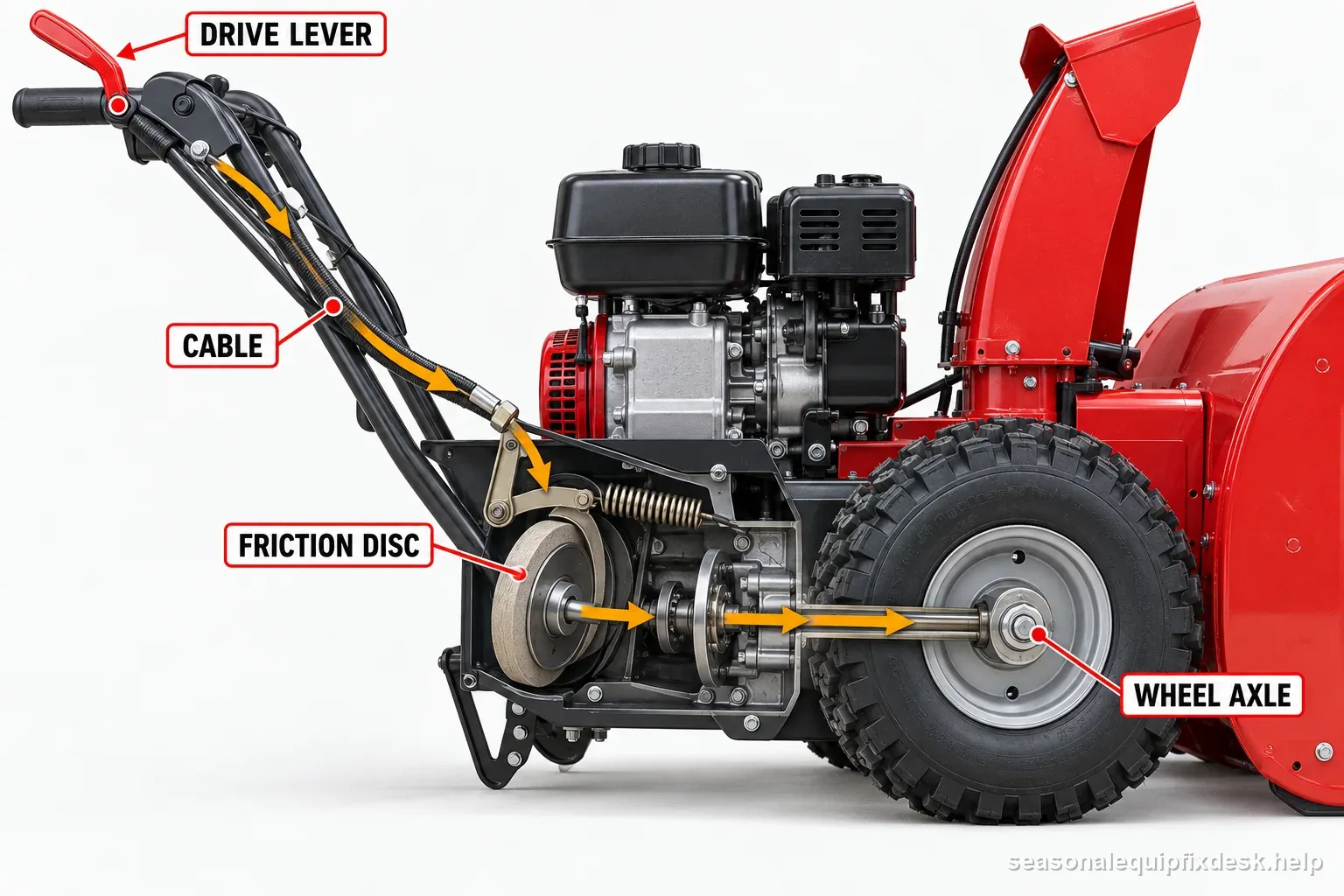
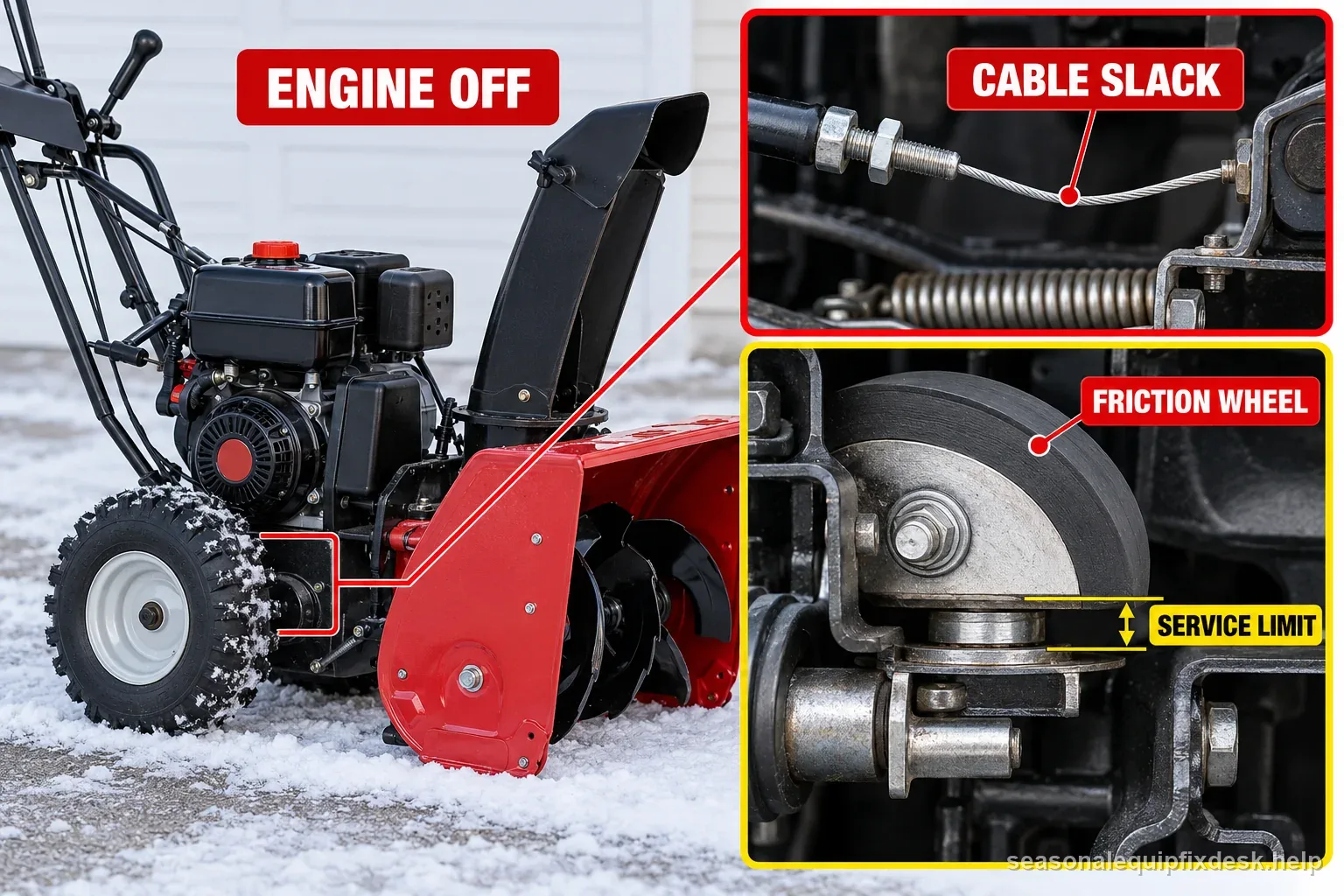
With the engine off, squeeze the traction lever and watch the accessible cable/linkage movement. Too little travel may never engage the drive. Husqvarna’s current snow-thrower support also warns that too much drive-cable tension can keep the machine moving when the lever is released, so “tighter” is not automatically better.
Adjust only to the model procedure and verify two outcomes afterward: the machine moves when commanded and stops promptly when the control is released. Husqvarna warns that too much cable tension can make the snow blower move without an operator holding the lever; reduce tension if it does not stop immediately when released. Do not keep tightening a cable to mask wear elsewhere in the drive.
A friction-disc drive can fail even while the belt turns
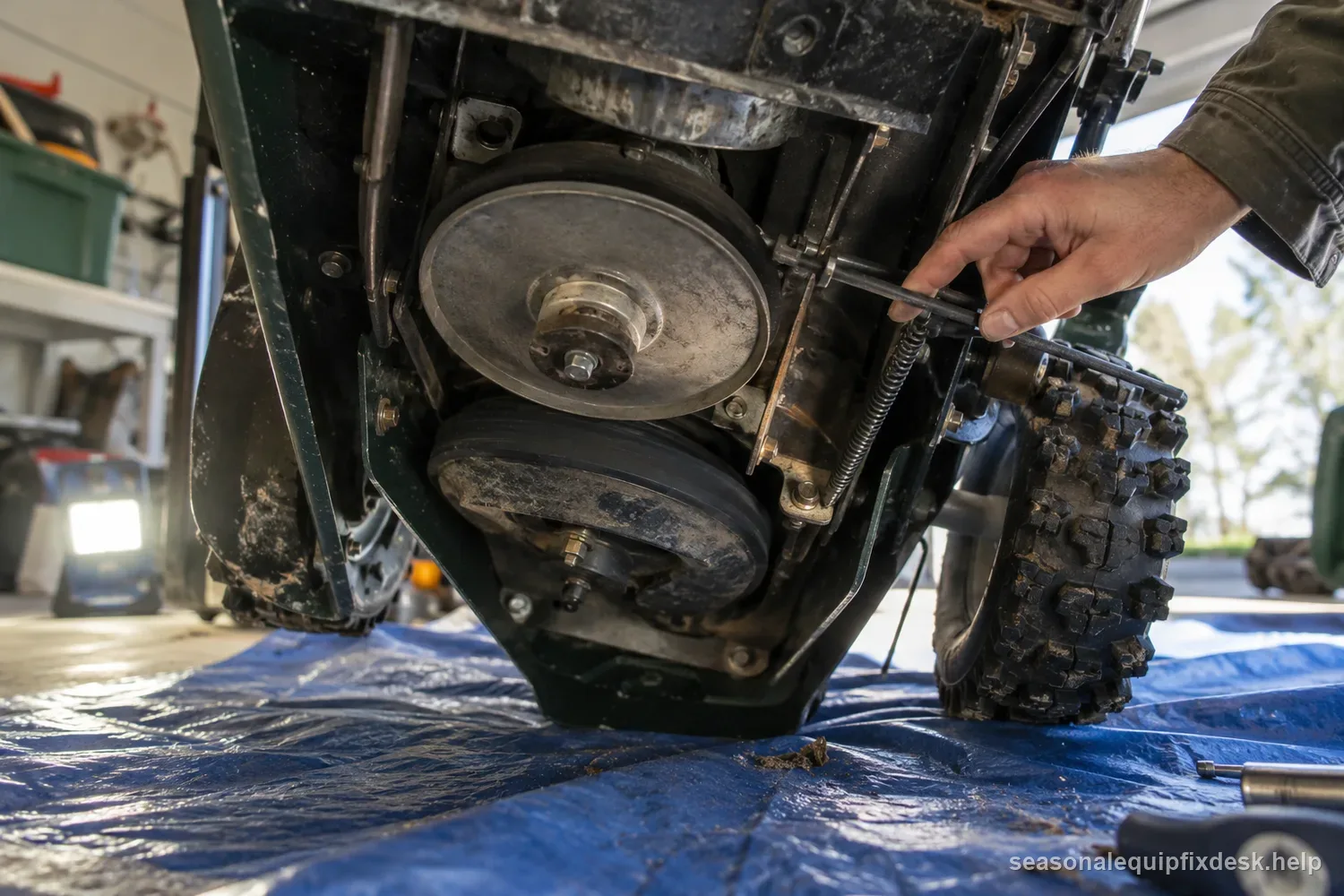
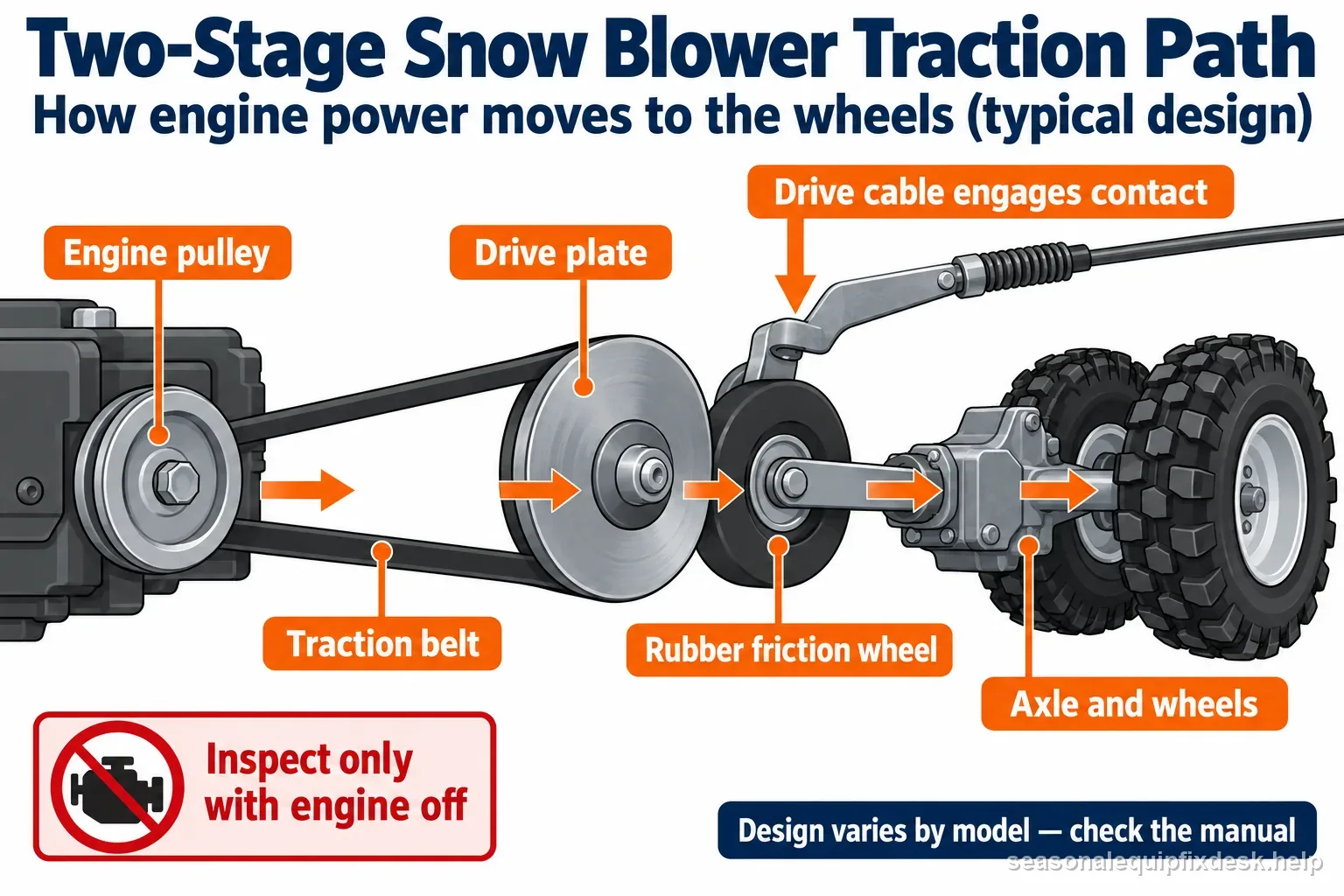
Many wheeled snow blowers use a friction wheel/disc system after the belt. Oil, grease, glazing, wear, or insufficient contact pressure can allow the drive plate to spin without transferring useful torque. Symptoms may include weak movement, slipping under load, or no response in several speed positions.
Do not lubricate a friction surface to cure slipping. If the underside must be opened for inspection, isolate ignition, support the machine exactly as the service procedure requires, and keep grease off the friction interface.
Drive-belt clues are different from friction-wheel clues
A broken or thrown drive belt can produce total no-drive with an otherwise normal engine. A stretched or glazed belt may work unloaded and slip when the machine climbs or pushes snow. Check belt routing, idler movement, and pulley alignment before replacing the belt.
If belt dust or a hot-rubber smell appears, find the misalignment or binding that created it. Simply fitting another belt can repeat the failure.
| Observed behavior | First branch to inspect | Stop or service clue |
|---|---|---|
| Neither wheel drives | Control, belt, friction drive or transmission | Internal sealed drive needs service data |
| Only one wheel differs | Pin, key, hub or differential arrangement | Bent axle or damaged hub |
| Creeps with lever released | Cable tension or disengagement | Stop use until it releases promptly |
One side weak? Follow the torque path to that wheel
A machine that pulls strongly on one side is not the same as a total traction loss. Inspect wheel pins/keys, differential or steering mechanisms, linkage, and axle condition on the weak side. If the drive is hydrostatic, verify bypass/freewheel controls and the manufacturer’s fluid/service boundary before assuming the unit is internally worn.
Internal hydrostatic repair and sealed transmission work usually require model-specific tools and cleanliness beyond a basic owner check. Preserve the symptom rather than opening the unit without service data.
A safe traction confirmation
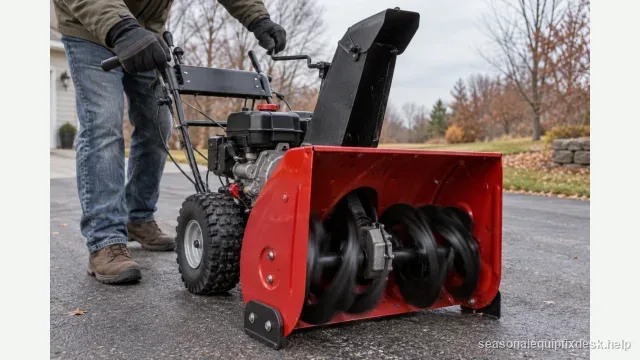
- Restore covers and make sure the auger control remains released.
- Start on level open ground at the lowest forward setting.
- Engage traction briefly and verify straight movement.
- Release the lever and confirm the machine stops driving immediately.
- Repeat reverse only if the model provides it and the area is clear.
If the machine creeps with the control released, stop using it and correct the adjustment. A successful “moves again” repair is not safe until disengagement also works.
- Restore covers and keep the auger control released.
- On level open ground, use the lowest setting and engage traction briefly.
- Confirm the machine moves only while the traction control is held.
- Release the control and verify the drive stops promptly.
- Stop if it creeps, pulls unexpectedly, or any cover/support is not secure.
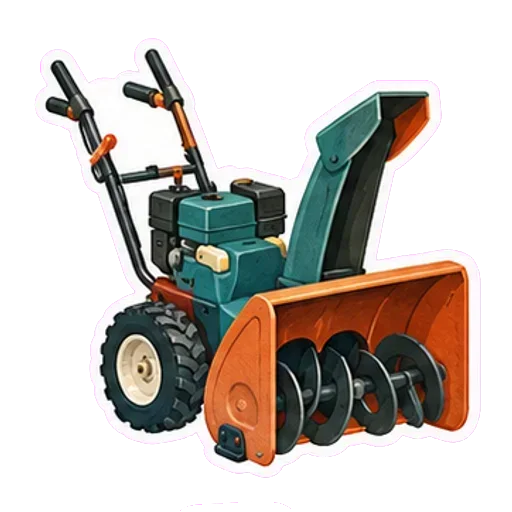
Illustrative screening path; do not inspect moving parts or bypass guards.
Speed-selector behavior can narrow the drive fault
Test the selector only with the machine positioned safely and according to the manual. If one speed range works while another does not, the linkage or friction-drive contact position deserves attention. If no forward or reverse range produces traction but the control cable moves fully, follow the torque path farther into the belt, friction disc, axle, or wheel-drive components.
A selector that will not stay in a detent or a linkage that moves without carrying the transmission mechanism through its full travel is different from a slipping friction surface. Mark the original linkage position before adjustment so a failed experiment can be reversed.
Keep oil and grease away from dry friction surfaces
Many friction-disc snow blowers rely on a dry rubber friction wheel contacting a clean drive plate. Oil, grease, belt dressing, or a leak that reaches that surface can create severe slip even when the wheel and belt are not broken. If contamination is present, identify and fix its source before cleaning or replacing the friction components by the model procedure.
Do not solve weak drive by tightening the control cable until the machine creeps with the lever released. Husqvarna specifically warns that excessive drive-cable tension can make the machine move when the lever is not engaged. Safe release behavior is part of the repair result.
Traction that returns only when you lift or push the handle is a clue
If the wheels begin to drive only when machine weight shifts, note that behavior instead of compensating with more cable tension. On friction-drive designs, load can change how worn, contaminated, or misadjusted drive surfaces contact. On tracked or geared machines, the same symptom may point somewhere else, so identify the drive design before applying a friction-wheel diagnosis.
Inspect tire or track condition too. A machine whose axle is turning but whose tire spins on ice has a traction problem at the ground, not a failed transmission. Mark whether the axle, wheel hub, tire, or track is the first point that stops transferring motion.
Separate a control problem from a drive problem
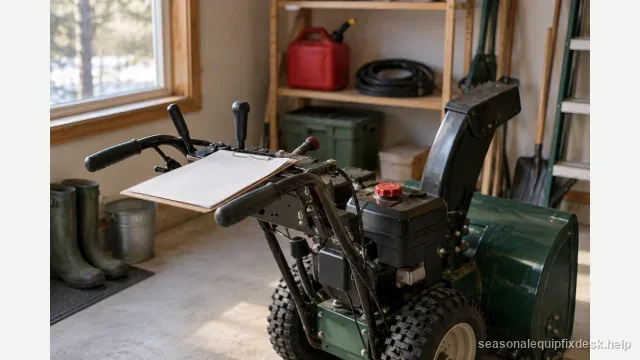
With engine off and key removed, check whether the drive lever returns freely and whether the cable sheath is damaged; adjustment is model-specific. Clear only loose snow after disabling the machine, following its manual. Note whether both wheels fail in every speed or only under load. Do not run the auger or reach beneath the housing. Dragging, locking, or unequal wheel movement needs model-specific service.
Two illustrative drive observations
These are observation examples, not adjustment specifications.
Example 1: forward works, reverse does not
On a clear, level surface, Pat records that 2 forward selector positions move normally while reverse does not. Pat releases the control and confirms the machine stops. That split points toward selector travel or linkage on a friction-drive model; the manual determines the next check.
Example 2: wheels creep after release
During one brief test, Lee releases the traction lever but the machine continues moving. Lee shuts the engine off and stops testing. This is an unsafe disengagement fault, not a reason to tighten the cable further; service or the model-specific adjustment procedure is next.
Confirm the model before ordering drive parts
Use the product label to identify the exact machine before comparing a cable, belt, friction wheel, or gearbox. Similar housings can hide different drive layouts, and a part that fits one series may not fit another. Keep the drive cover installed during operation. If the wheels stop pulling while the machine is moving, release the drive control, stop the engine, remove the key, and let all parts stop before inspecting anything. Do not continue clearing snow by pushing a machine whose drive has failed on a slope or uneven ground. A shop can use the model number and your notes about lever travel, wheel drag, and speed setting to select a safe next test.