Equipment categories
Outdoor Equipment
Lawn Mowers (10)
 Lawn Mowers
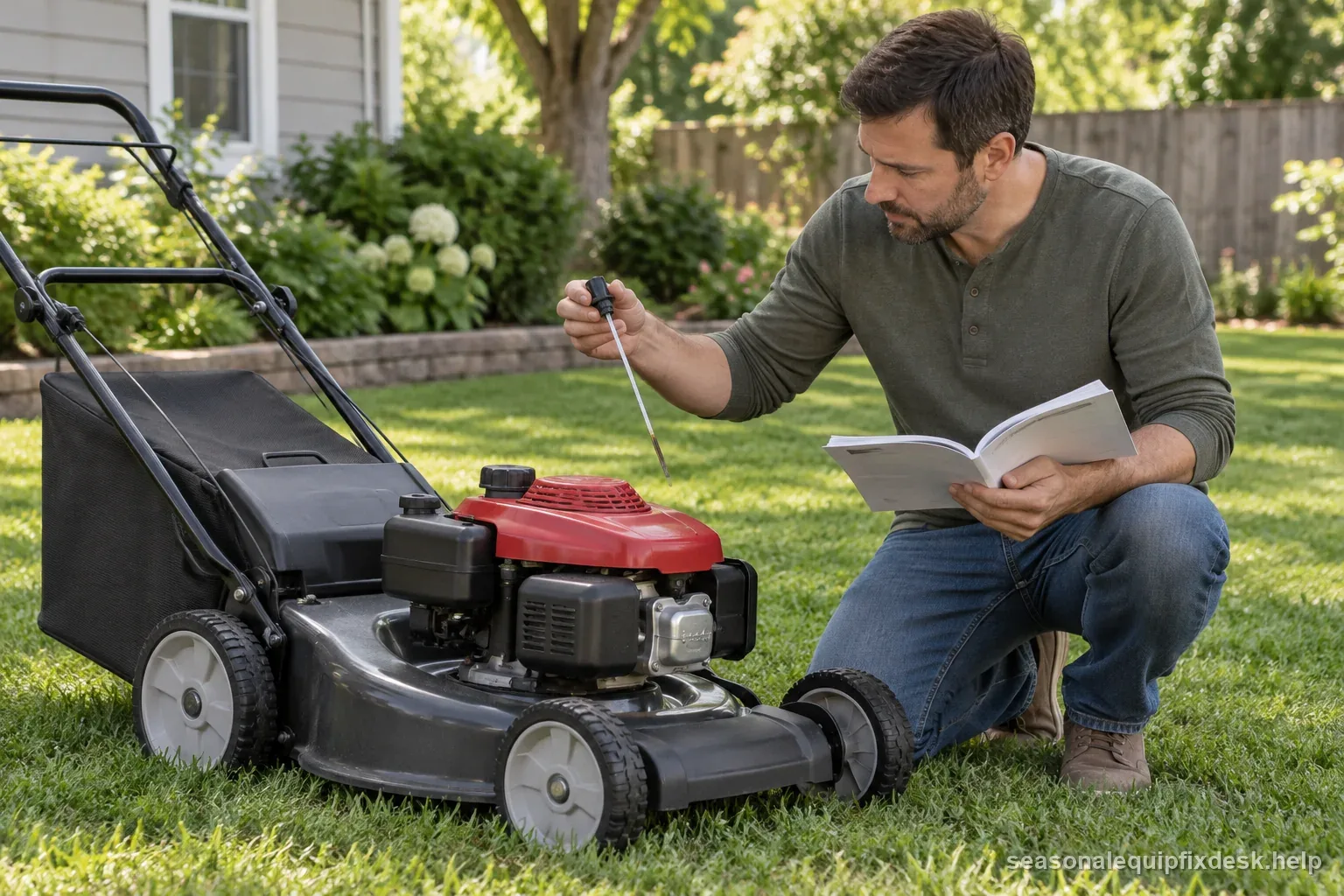
Lawn Mower Blowing White or Blue Smoke? Check Oil Safely
White or blue mower smoke often means oil is burning. Check recent tilting and oil level by the manual, and stop if smoke is heavy or persistent.
8 min read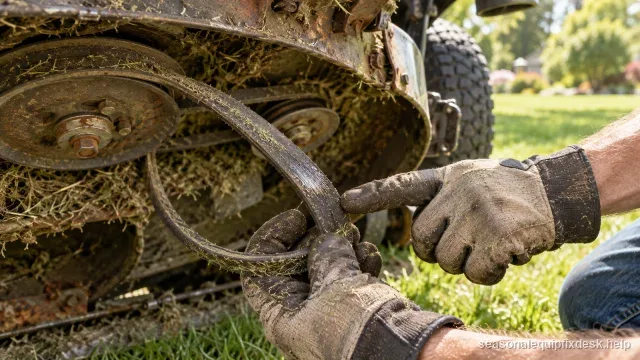 Lawn Mowers
Mower Deck Belt Slipping or Squealing? Diagnose First
A slipping or squealing deck belt can point to tension, alignment, pulleys, or binding. Isolate the mower and follow its deck diagram before replacing parts.
5 min read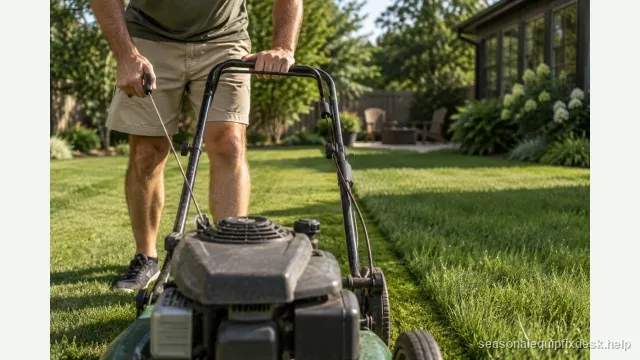 Lawn Mowers
Push Lawn Mower Won’t Start? Safe No-Start Checks
For a push mower that won’t start, separate no-crank from crank-no-fire, then check the brake control, fuel, air, spark, and model manual safely.
6–7 min read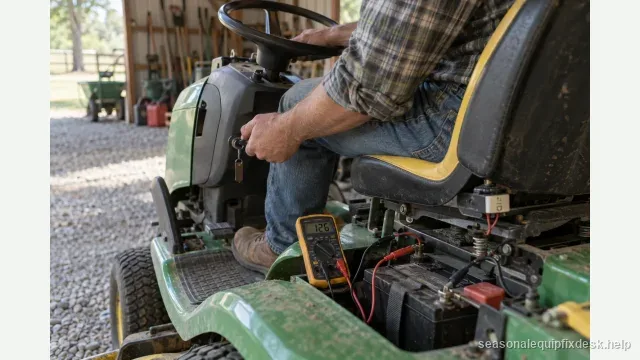 Lawn Mowers
Riding Mower Won’t Start? Interlock, Battery & Fuel Checks
Sort silence, clicks, and slow cranking before checking interlocks, battery, fuel, and ignition. Keep hands clear and follow the exact mower manual.
4 min read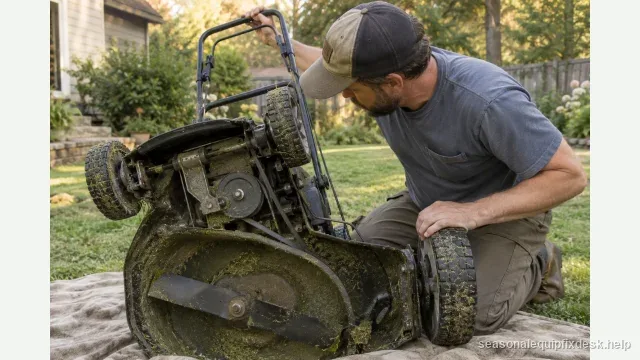 Lawn Mowers
Self-Propelled Mower Won’t Move? Safe Drive Checks
If a self-propelled mower runs but won’t drive, compare handle travel, cable engagement, and wheel behavior on level ground before internal repair.
8 min read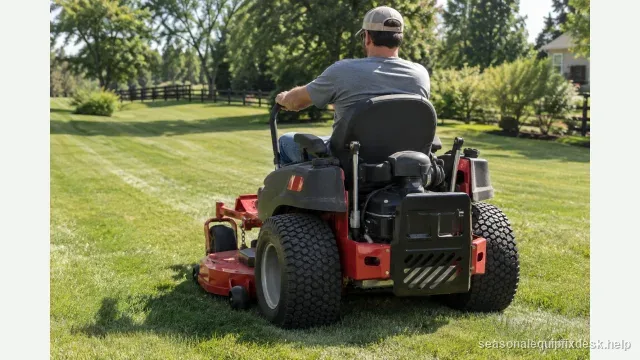 Lawn Mowers
Zero-Turn Mower Won’t Move Forward or Reverse
If both sides of a zero-turn are dead, verify steering/parking-brake position and hydro bypasses first, then prove the common belt input before blaming two transmissions.
8 min read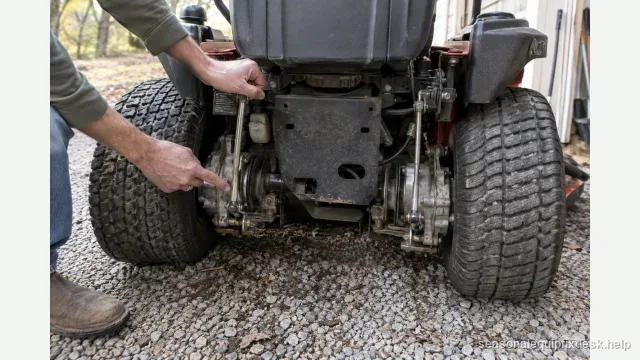 Lawn Mowers
Zero-Turn Mower One Side Won’t Move
Compare the working and dead sides of a zero-turn mower to check bypass position, control linkage, brake release, belt input, and hydro response safely.
8 min read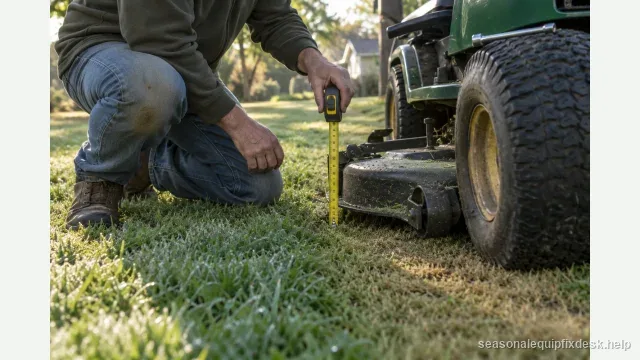 Lawn Mowers
Mower Cuts Uneven: Read the Cut Pattern Before Adjusting the Deck
Read the stripe, scalp, ridge, or uncut-strip pattern before leveling a mower deck; tires, blades, deck geometry, buildup, and speed leave different clues.
7–9 min read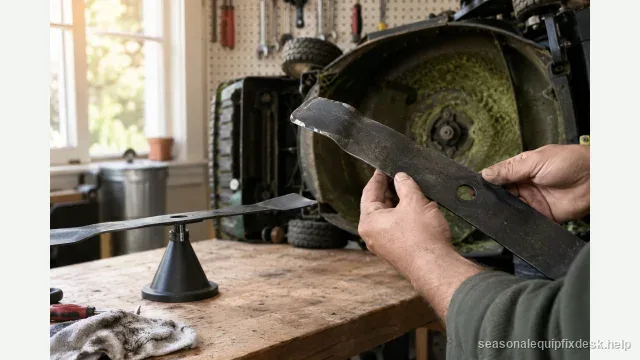 Lawn Mowers
Mower Shakes When Blades Engage? Stop & Inspect Safely
Stop the mower if vibration begins as blades engage. With the mower isolated, check for blade impact, damage, belt trouble, or a loose cutting part.
7–9 min read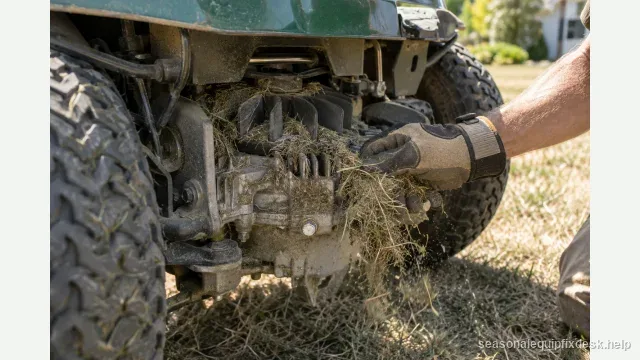 Lawn Mowers
Riding Mower Hydrostatic Drive Feels Weak When Hot
A riding mower that drives cold but fades as the hydro warms needs cooling and external-drive checks first; persistent heat-fade is a transaxle service symptom.
7–9 min readGenerators (9)
 Generators
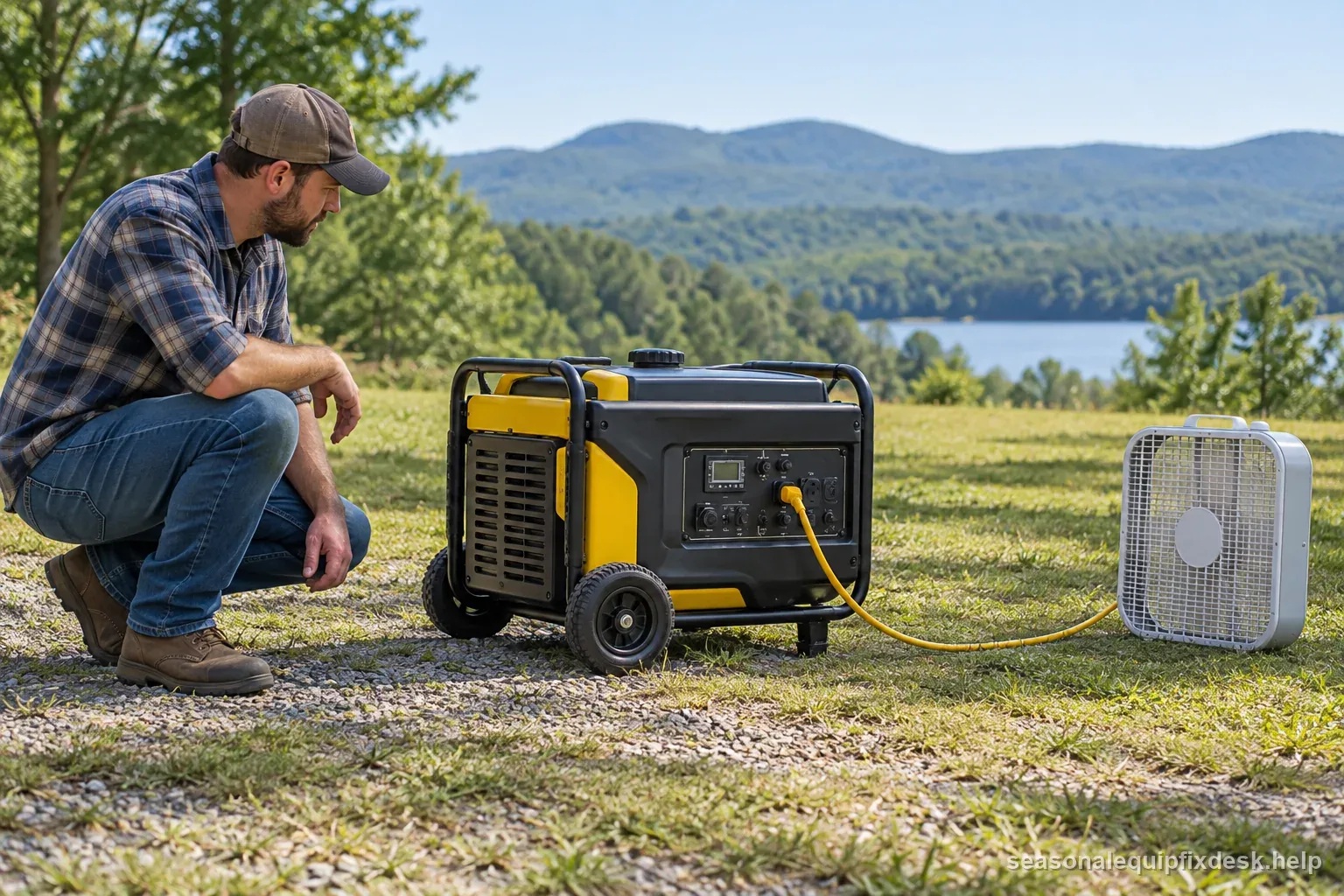
Portable Generator Surges Under Load? Reduce Demand Safely
A portable generator may surge from changing load, stale fuel, blocked airflow, or an engine fault. Unload it safely and follow the exact manual before service.
9 min read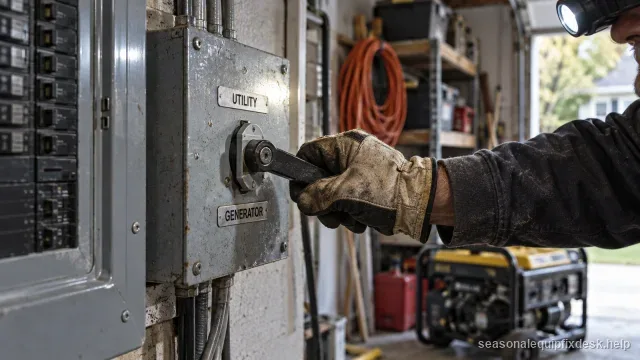 Generators
Generator Transfer Switch Won’t Switch? Record These Clues
Record utility, generator status, alarms, and ATS indicators. Keep transfer equipment closed; call a qualified electrician for enclosure or wiring work.
8 min read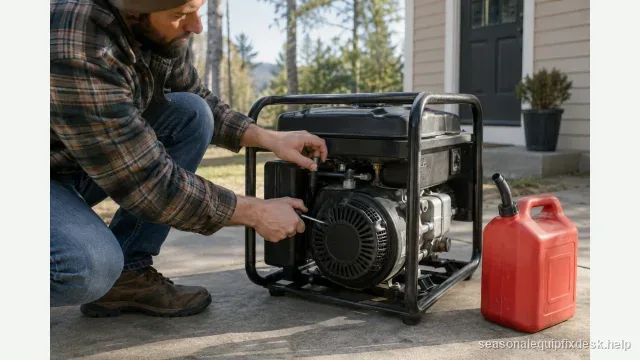 Generators
Portable Generator Won’t Start? Safe No-Crank vs No-Fire
Separate no-crank from crank-no-fire. Check fuel, oil protection, choke, and battery per the manual; test generators outdoors with no load.
7–9 min read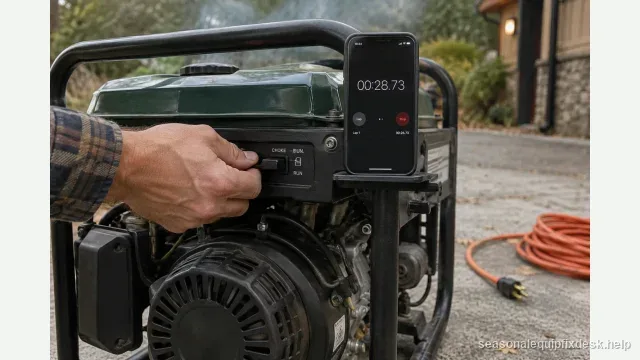 Generators
Generator Starts Then Dies? Diagnose by How It Stops
Use when it dies—immediately, after choke movement, or under load—to narrow fuel, vent, oil-protection, or ignition clues. Test outdoors with no load.
7 min read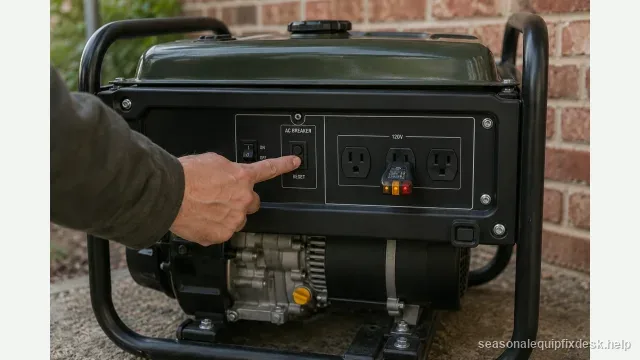 Generators
Generator Runs but Produces No Power? Safe Checks
If the generator runs but outlets have no power, check breaker, GFCI, cords, and one small known load. Never open the electrical enclosure.
7 min read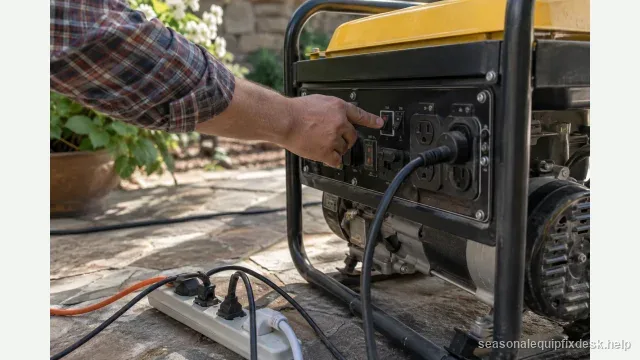 Generators
Generator Breaker Keeps Tripping? Check Load Safely
Note whether a breaker trips instantly, during startup, or after a delay. Reduce load only as the manual allows and stop repeated resets.
7–9 min read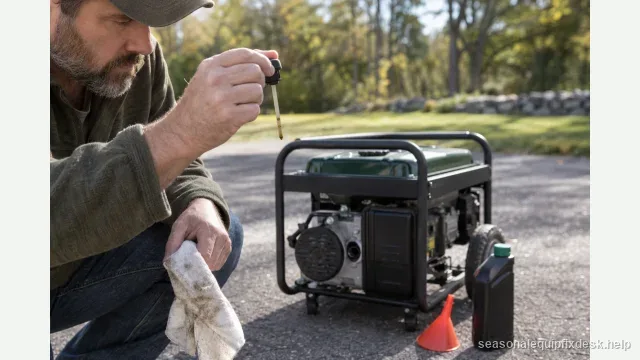 Generators
Generator Low-Oil Shutdown Keeps Triggering
Generator keeps shutting down on a low-oil warning? Check level on flat ground, oil specification, leaks, tilt, and sensor behavior without bypassing protection.
5 min read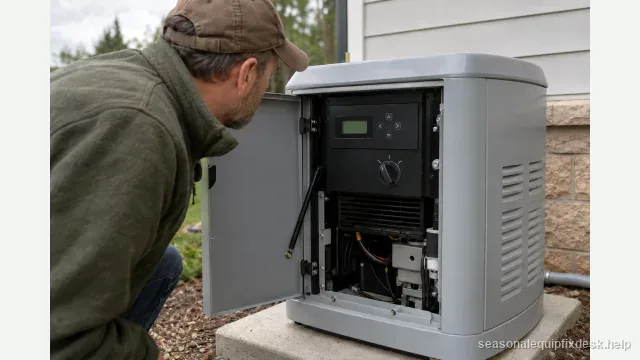 Generators
Standby Generator Won’t Auto-Start? Check AUTO & Alerts
Record AUTO mode, utility sensing, alarms, crank, and transfer state. Keep panels closed; use the dealer or electrician for live-system checks.
5 min read Generators
Generator CO Safety: Outdoor Placement & Alarm Checks
Run a portable generator outdoors at least 20 feet from the home, aim exhaust away, and maintain CO alarms. Never run it in a garage or enclosed area.
6–7 min readSnow Blowers (11)
 Snow Blowers
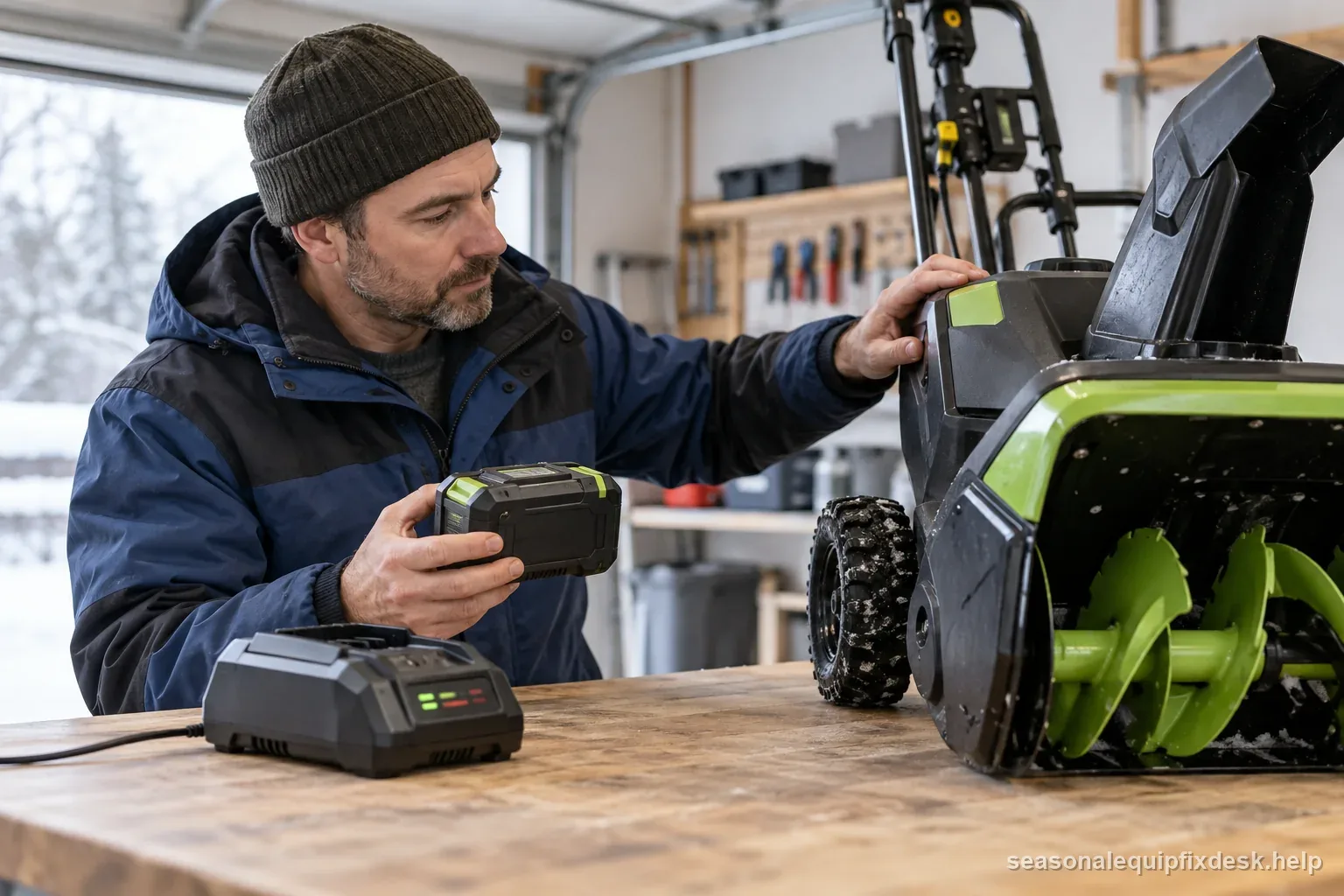
Cordless Snow Blower Battery Won’t Charge? Check Temperature First
A cordless snow blower battery may pause charging when too cold or hot, incompatible, or not seated. Use the matched charger and check its exterior indicators.
8 min read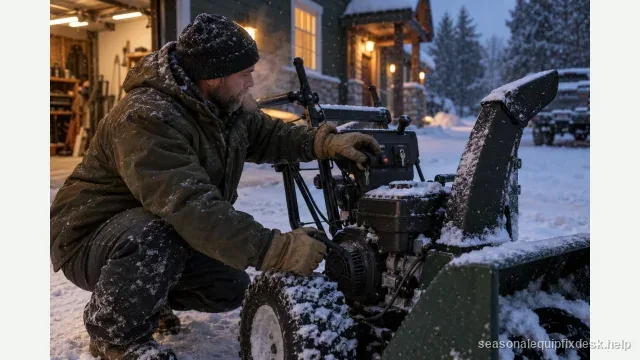 Snow Blowers
Snow Blower Won’t Start: A Cold-Weather Diagnostic Order
Snow blower will not start? Separate no-crank, no-fire, choke-only, and fuel-starvation symptoms before cleaning the carburetor or buying ignition parts.
5 min read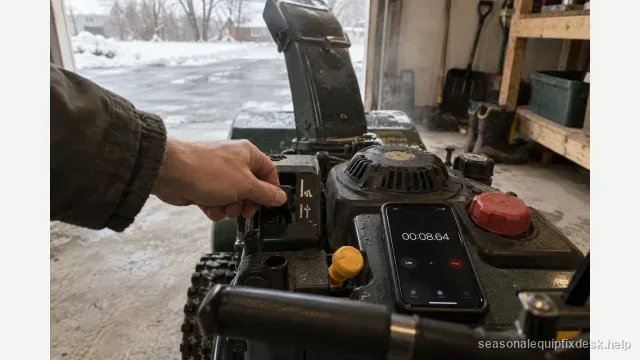 Snow Blowers
Snow Blower Starts Then Dies? Choke, Fuel & Vent Checks
A snow blower that starts then dies may react to choke movement, fuel flow, venting, icing, or load. Compare timing and follow the exact model manual.
8 min read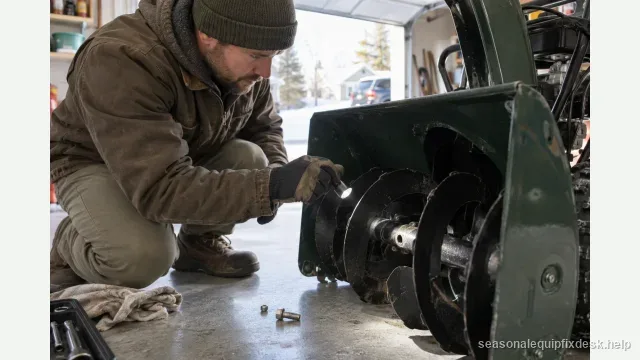 Snow Blowers
Snow Blower Auger Won’t Turn? Safe Checks
A safe diagnosis for a snow blower auger that will not turn: check shear pins, controls, and belt symptoms, then know when to stop for service.
6–7 min read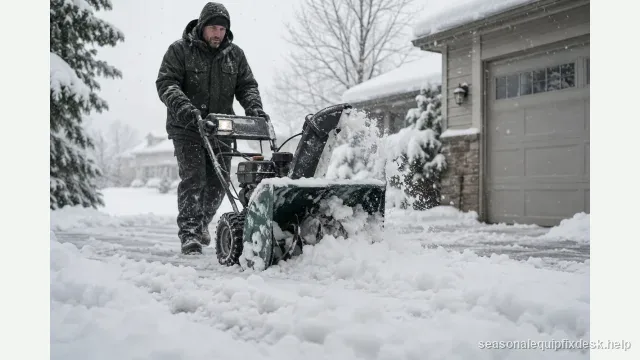 Snow Blowers
Snow Blower Not Throwing Snow Far? Check Load & Auger
Check snow condition, engine speed, belt slip, and auger/impeller clues. Shut the blower off before inspecting rotating parts.
4 min read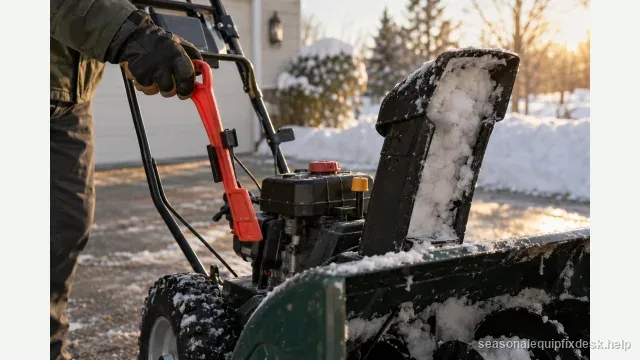 Snow Blowers
Snow Blower Chute Keeps Clogging in Wet Snow
Repeated chute clogs in wet snow point to sticking, ice buildup, overfeeding, low impeller clearing speed, or rough chute surfaces—not one universal fix.
4 min read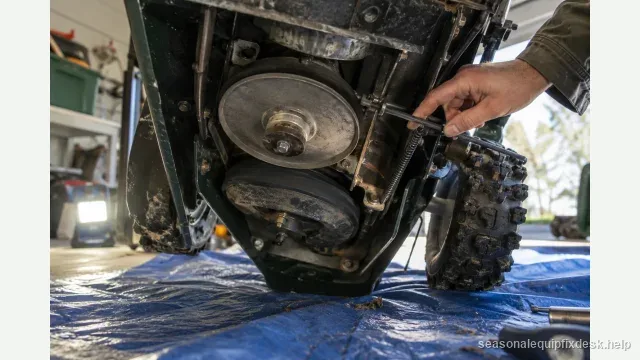 Snow Blowers
Snow Blower Wheels Won’t Move? Safe Drive Checks
If a snow blower runs but its wheels won’t move, check drive controls, cable travel, friction-drive clues, and wheel/axle condition with engine off.
8 min read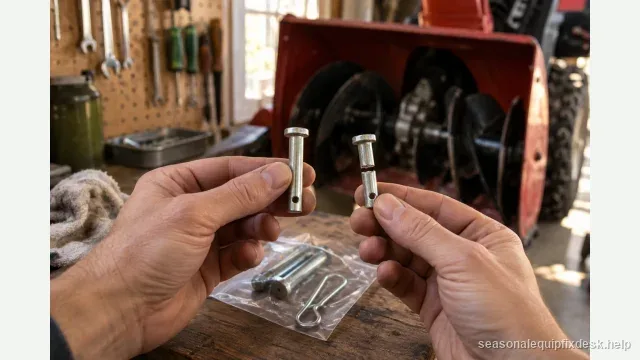 Snow Blowers
Snow Blower Shear Pins Keep Breaking? Find the Cause
Wrong hardware, impact, binding, or auger misalignment can break pins repeatedly. Shut down, use only specified pins, and inspect the cause first.
4 min read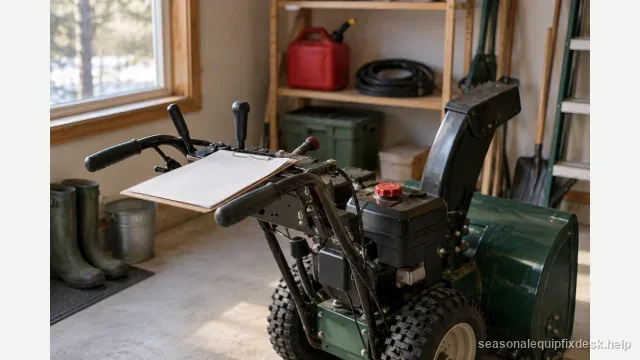 Snow Blowers
Snow Blower End-of-Season Storage Checklist
Prepare fuel, engine oil, belts, shear hardware, and battery according to the model manual. Keep the housing dry and note spring start-up checks.
4 min read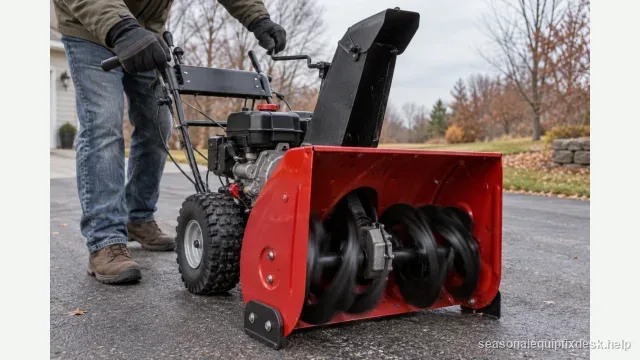 Snow Blowers
How to Test a Snow Blower Before Snow: Safe Dry Run
Verify starting, controls, and movement before snow arrives with an unloaded, model-approved test. Keep the auger clear and follow outdoor safety steps.
6 min read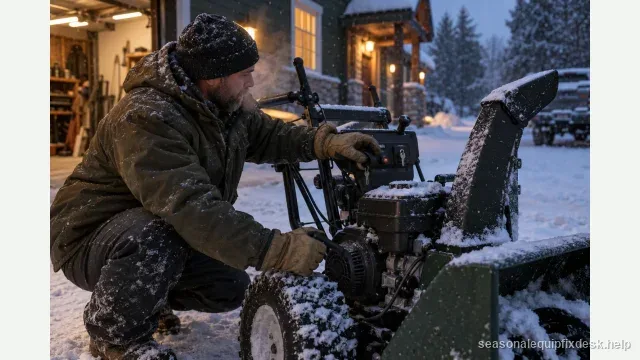 Snow Blowers
Snow Blower Leaves a Thin Layer? Set Shoes & Scraper
A thin layer left behind can point to scraper-bar clearance, skid-shoe setup, surface, or snow conditions. Follow model instructions on level ground.
6 min readPressure Washers (6)
 Pressure Washers
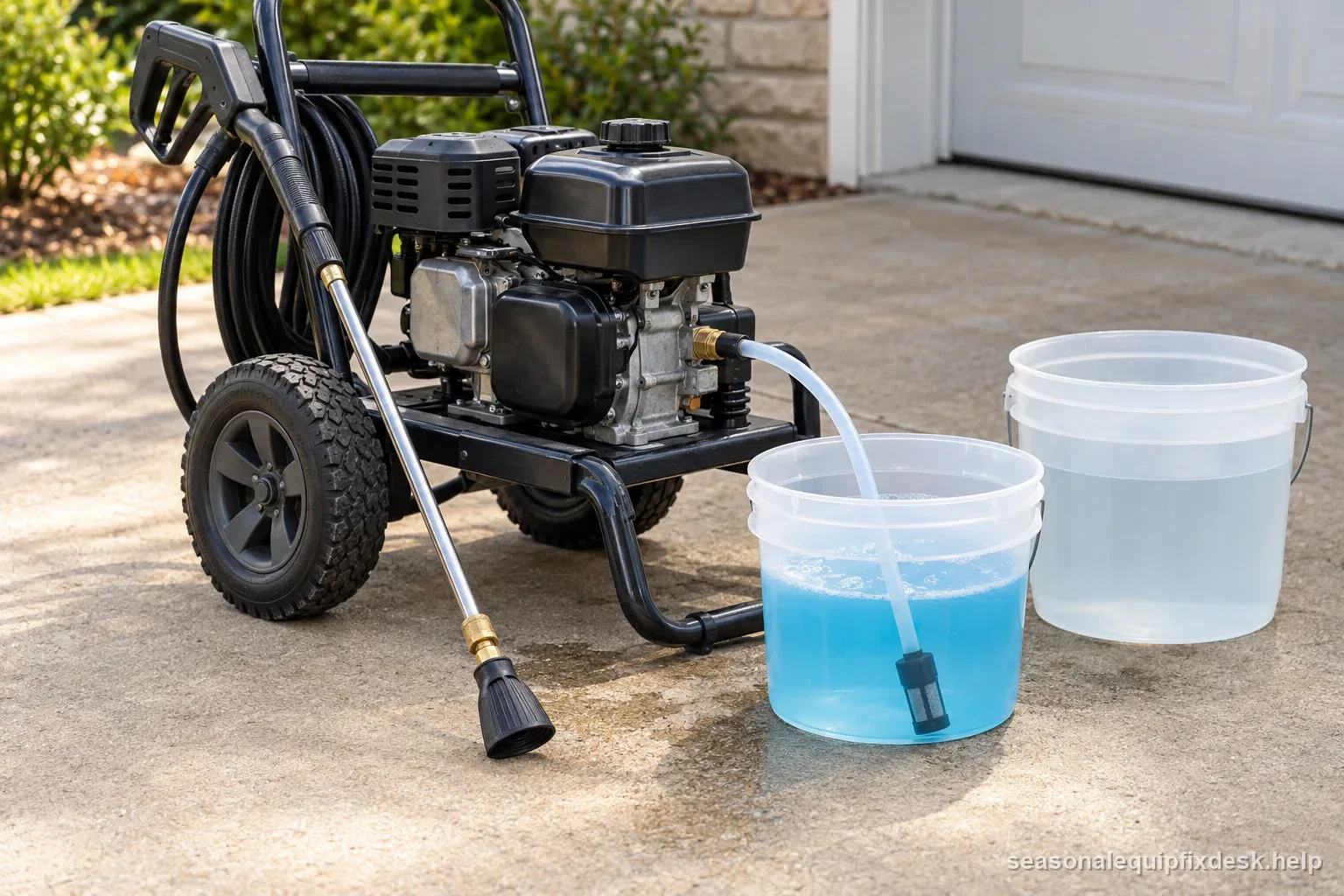
Pressure Washer Won’t Draw Detergent? Check the Soap Nozzle
A pressure washer that will not siphon soap may have the wrong nozzle, an uncovered filter, or a kinked pickup hose. Use approved detergent, never bleach.
8 min read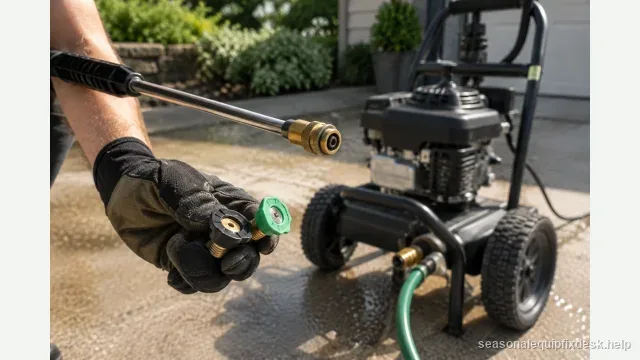 Pressure Washers
Pressure Washer Has No Pressure? Start at Water Flow
Start with water supply, inlet flow, hose, nozzle, and trapped air. If pressure stays low, follow the model manual before suspecting the pump.
8 min read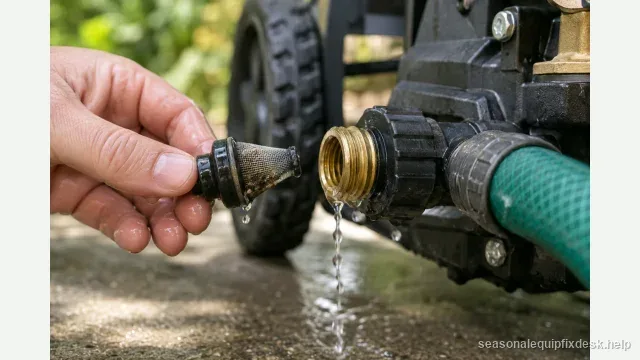 Pressure Washers
Pressure Washer Pulsing? Restore Water Flow First
Pulsing pressure often starts at water supply or trapped air. Check flow and clear a nozzle only with the washer off and pressure relieved.
8 min read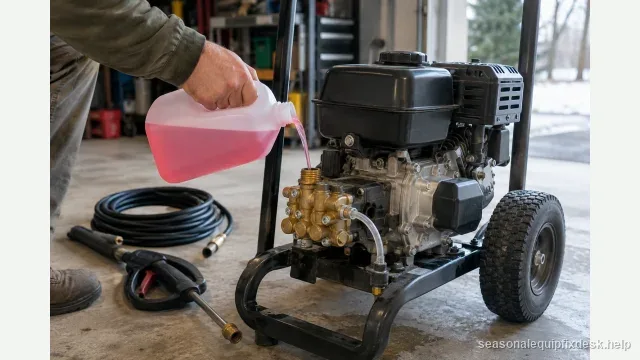 Pressure Washers
Pressure Washer Winter Storage: Drain Water & Protect Pump
Flush detergent, drain water, and protect the pump as its manufacturer specifies. Keep fuel and battery steps model-specific and prevent freezing.
10–12 min read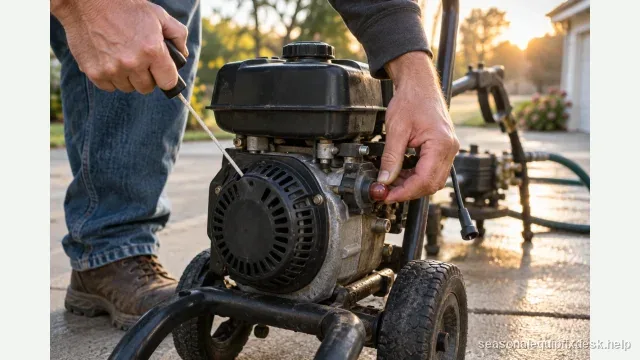 Pressure Washers
Gas Pressure Washer Won’t Start? Safe Checks in Order
Check fuel, oil level, engine switch, choke, and pump pressure-release steps in order. Keep the washer outdoors and stop before unsafe repairs.
8 min read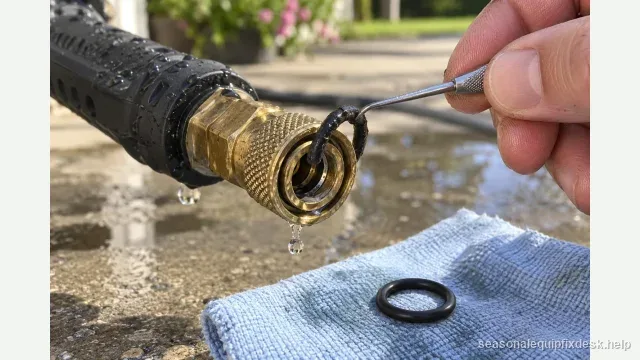 Pressure Washers
Pressure Washer Pump Leaking? Find the Source Safely
Trace water to the inlet, hose, outlet, relief path, or pump. Shut down and release pressure before inspecting; stop if the pump body is cracked.
6 min readChainsaws (6)
 Chainsaws
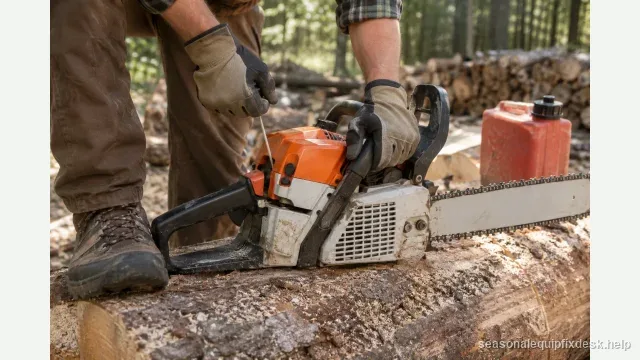
Chainsaw Won’t Start? Gas vs Battery Diagnostic Steps
Separate gas and battery saws first. Check the exact start sequence, controls, fuel or pack, and interlocks before arranging service.
4 min read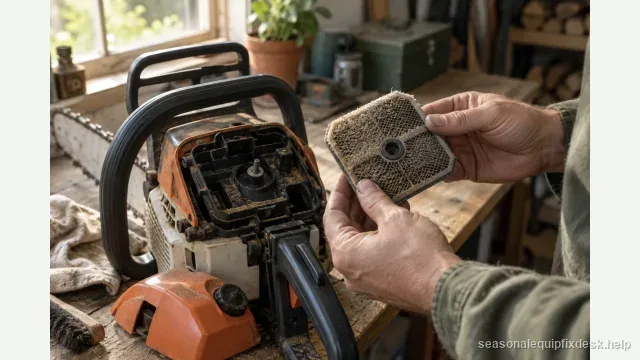 Chainsaws
Chainsaw Starts Then Dies When Throttled
Chainsaw idles but dies on throttle? Use the way it bogs to separate stale fuel, restricted air/exhaust, weak fuel delivery, venting, and cutting-system overload.
6 min read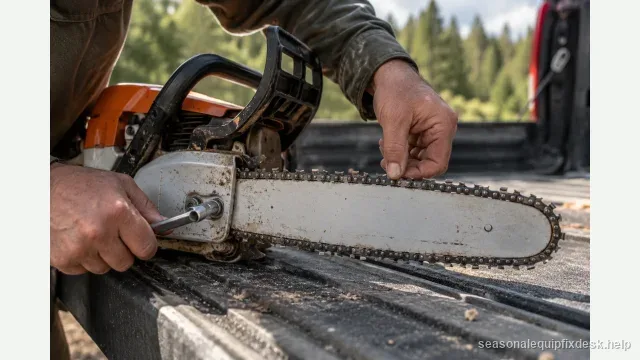 Chainsaws
Chainsaw Chain Won’t Tighten or Keeps Getting Loose
Chainsaw chain will not tighten or keeps loosening? Check the adjuster pin, bar movement, chain fit, temperature, bar nuts, and wear before replacing parts.
6 min read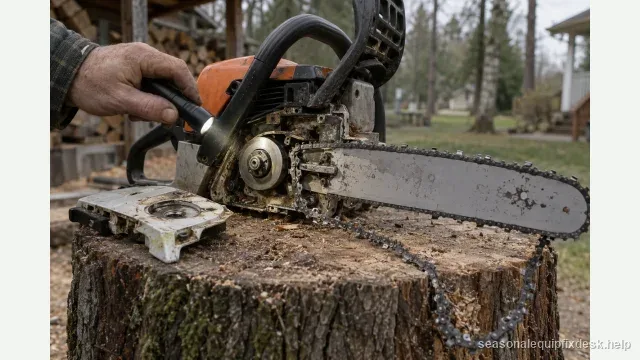 Chainsaws
Chainsaw Keeps Throwing the Chain? Causes & Safe Checks
A thrown chainsaw chain can mean derailment damage or a fit problem. Check chain, bar, sprocket, catcher, and clamping with the saw isolated.
5 min read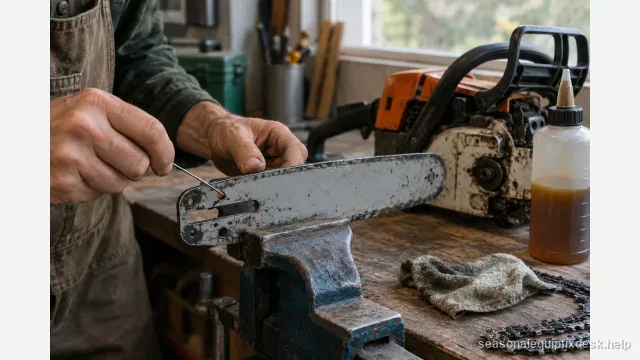 Chainsaws
Chainsaw Bar Not Getting Oil? Safe Chain-Oiling Checks
Find why a chainsaw bar stays dry: verify oil level and delivery path, then inspect bar ports and visible leakage with the saw shut off.
6 min read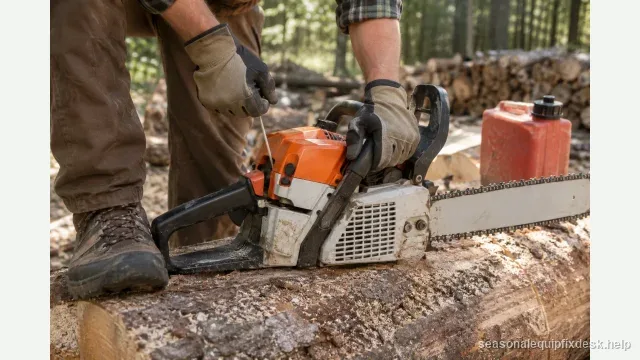 Chainsaws
Chainsaw Cutting Crooked? Check Chain, Bar & Technique
A crooked cut can come from uneven cutters, a damaged chain, or bar wear. Isolate the saw and compare external chain and rail clues before service.
9 min readLeaf Blowers & String Trimmers (7)
 Leaf Blowers & String Trimmers
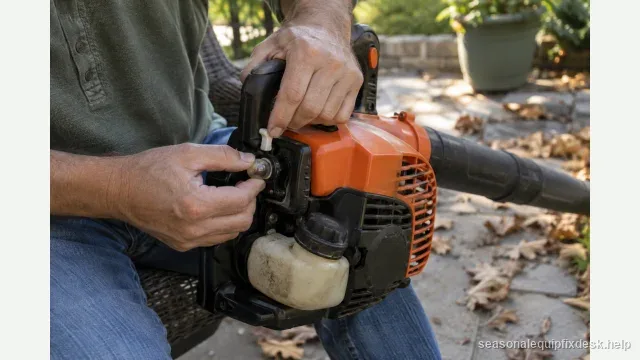
Gas Leaf Blower Won’t Start? Fuel, Spark & Start Checks
Compare the cold-start sequence, fuel condition, spark, and warm-restart behavior. Use the exact blower manual and stop before opening ignition parts.
8 min read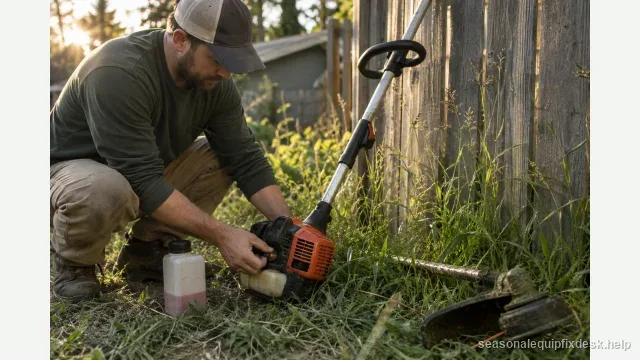 Leaf Blowers & String Trimmers
String Trimmer Won’t Start? Gas vs Battery Checks
Separate gas and battery trimmers, then check the manual’s start controls, fuel or pack, spark, and head resistance before service.
4 min read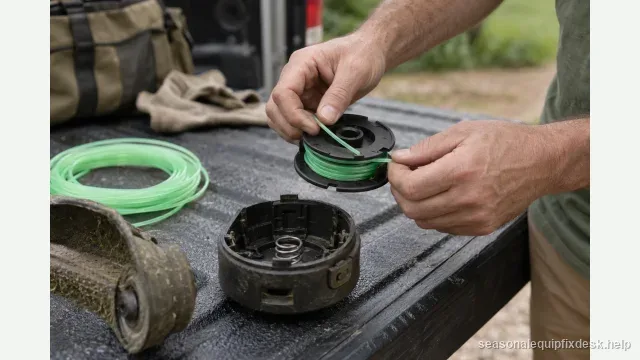 Leaf Blowers & String Trimmers
String Trimmer Head Won’t Feed Line? Spool & Line Checks
Check line size, spool direction, winding, eyelets, and feed mechanism against the head manual. Shut the trimmer off before clearing or reloading line.
8 min read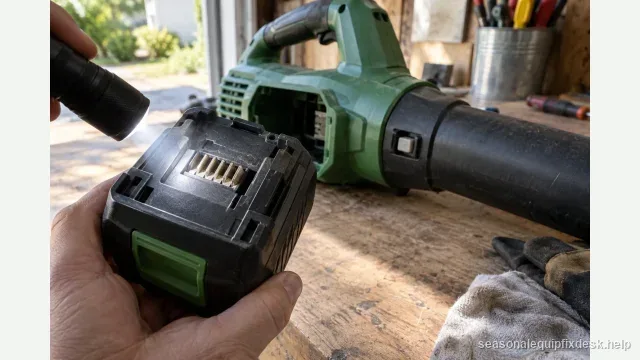 Leaf Blowers & String Trimmers
Cordless Leaf Blower Won't Turn On: The Battery-First Diagnostic Order
A cordless blower that won't turn on is usually the battery's protection circuit, a tube safety interlock, or a jammed impeller — not the motor.
6 min read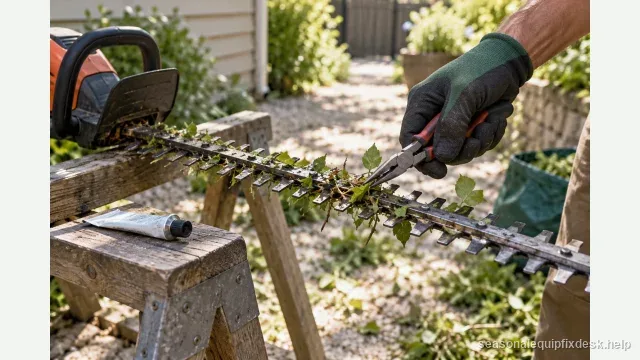 Leaf Blowers & String Trimmers
Hedge Trimmer Runs But Blades Won't Move: Clutch, Debris, and Gearbox Checks
If a hedge trimmer motor runs but its blades stay still, isolate power and check for a jam, sticky sap, or visible damage before arranging service.
6 min read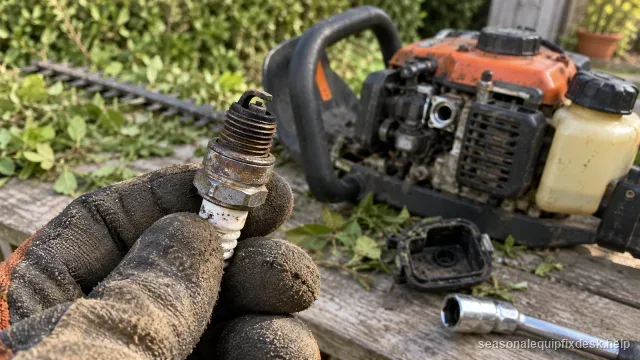 Leaf Blowers & String Trimmers
Hedge Trimmer Won’t Start? Safe Fuel, Spark & Air Checks
Start with the exact cold-start procedure, then check fresh fuel, plug condition, and airflow. Leave ignition and compression tests to qualified service.
7 min read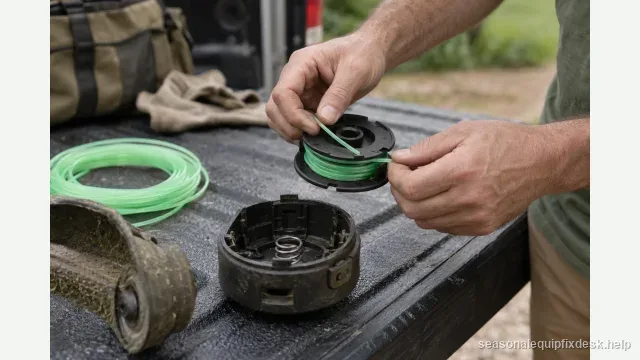 Leaf Blowers & String Trimmers
Leaf Blower Vacuum Has Weak Suction or Won’t Pick Up Leaves
Weak suction in vacuum mode is almost always a clog, a leak, or a worn part along the airflow path. Check them in this order.
5 min readTillers & Log Splitters (5)
 Tillers & Log Splitters
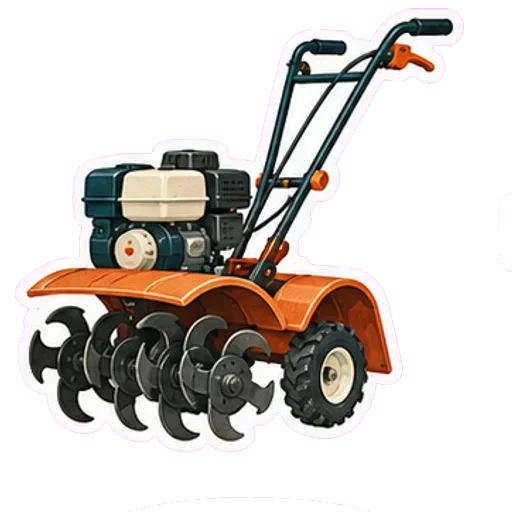
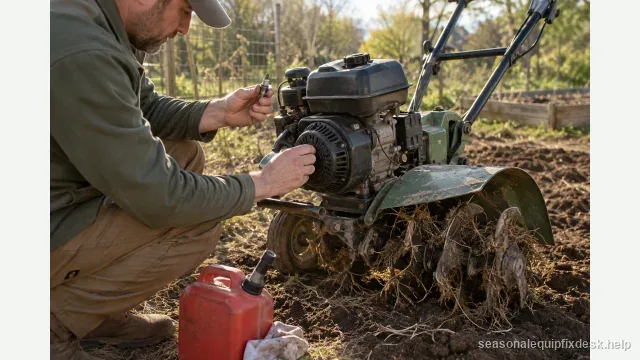
Tiller Won’t Start After Winter Storage
Tiller will not start after winter? Separate a stale-fuel or carburetor problem from choke, spark, air-filter, and compression faults before touching the tine drive.
10–12 min read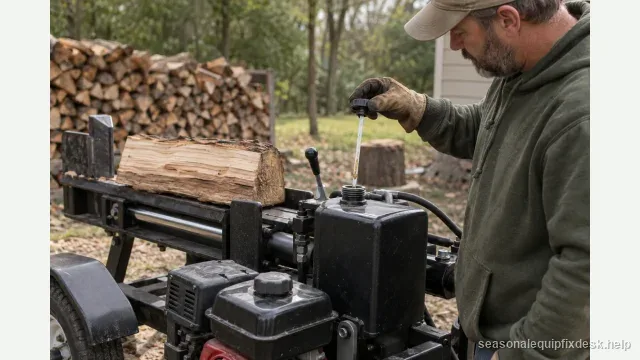 Tillers & Log Splitters
Log Splitter Ram Won’t Extend or Retract
Log splitter ram not moving? Check power, fluid, leaks, and control response without loosening pressurized fittings.
11 min read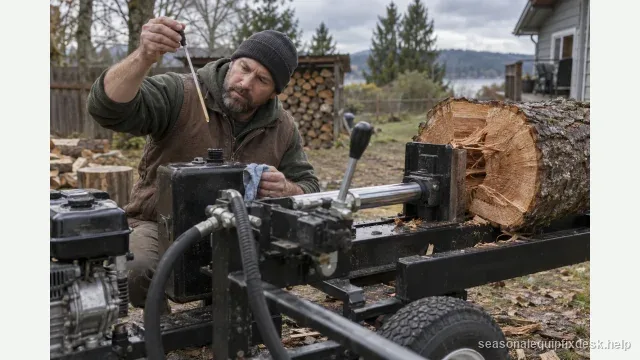 Tillers & Log Splitters
Log Splitter Slow or Weak? Safe Checks
Separate a difficult log from low fluid, trapped air, and hydraulic faults. Use model-approved checks and leave pressure adjustments to qualified service.
7–9 min read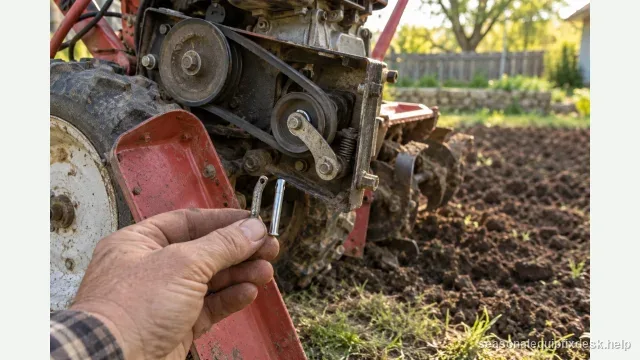 Tillers & Log Splitters
Tiller Tines Won't Turn (Engine Runs Fine): Belt, Clevis Pin, and Idler Checks
If a tiller's engine runs fine but the tines stay still or turn weakly, the fault is in the drivetrain, not the engine itself.
6 min read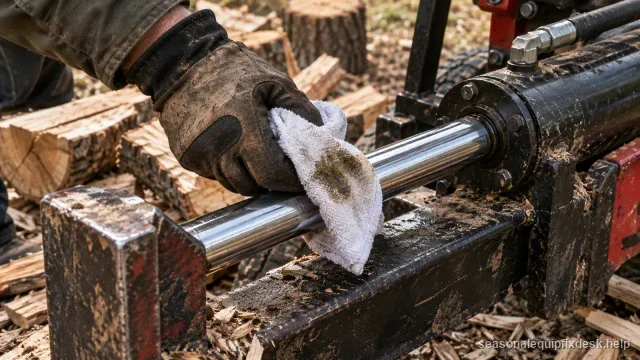 Tillers & Log Splitters
Log Splitter Hydraulic Leak? Safe Checks
Identify hydraulic leak clues from a safe distance, then know when damage, pressure, or an unclear source means stop and call service.
6 min readSeasonal Outdoor Maintenance (4)
 Seasonal Outdoor Maintenance
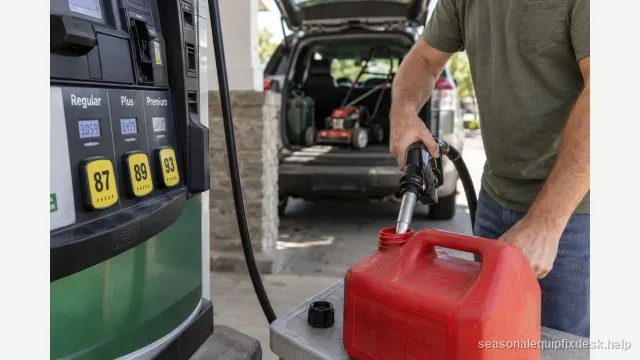
E10 vs E15 in Small Engines: Check Before Fueling
E10 and E15 labels do not decide compatibility for every engine. Check the exact manual and fuel label before filling or storing a small engine.
8 min read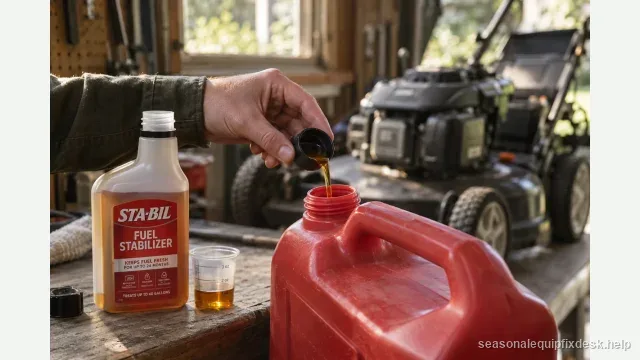 Seasonal Outdoor Maintenance
How to Use Fuel Stabilizer for Seasonal Equipment
Use stabilizer only as its label directs for fresh fuel and the storage period. It cannot recover stale or contaminated gasoline.
8 min read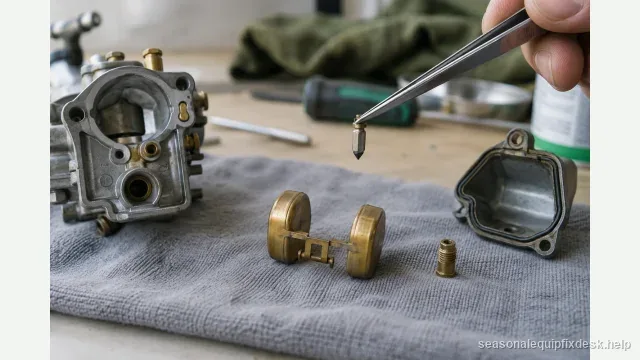 Seasonal Outdoor Maintenance
Small-Engine Carburetors: Fuel, Choke & Jet Basics
See how float-bowl and diaphragm carburetors meter fuel, how choke symptoms differ, and which external checks are safe before model-specific service.
8 min read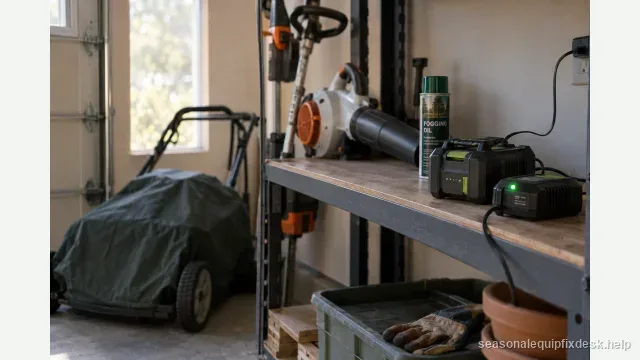 Seasonal Outdoor Maintenance
Small-Engine Storage: Fuel, Oil & Battery Checklist
Choose the correct fuel plan, oil service, battery care, and corrosion steps for the engine and storage period; check its manual before spring restart.
10–12 min readIndoor Climate Equipment

Humidifiers (6)
 Humidifiers
Humidifier Not Misting? Ultrasonic vs Evaporative Checks
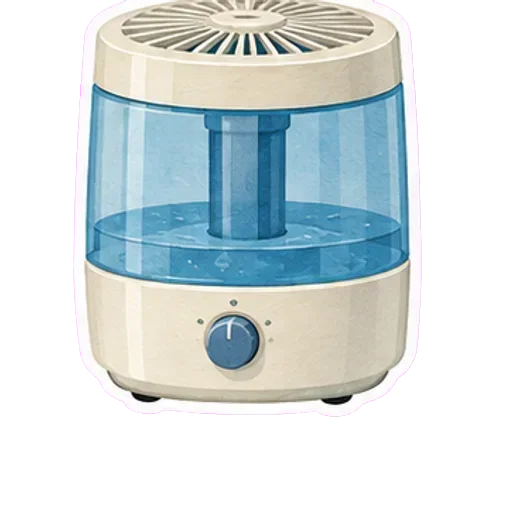
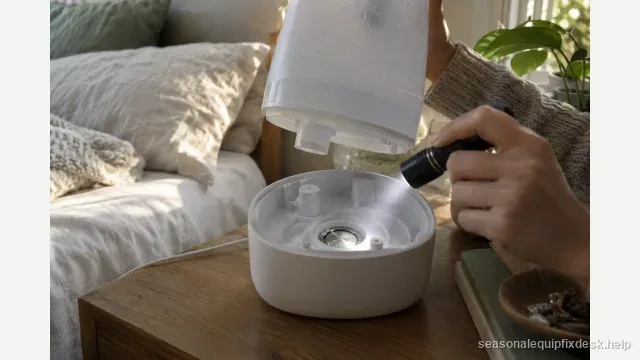
First identify ultrasonic or evaporative type. Then check water supply, scale, wick, and airflow; unplug before handling a unit with water near controls.
8 min read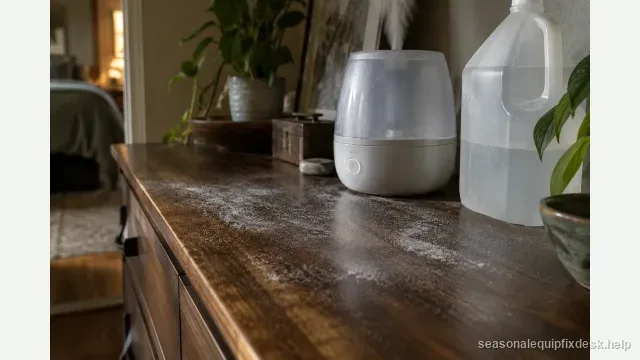 Humidifiers
Humidifier Leaves White Dust on Furniture
White dust around an ultrasonic humidifier usually comes from minerals in the water. Use a distilled-water comparison, then check scale and any demineralization media.
6 min read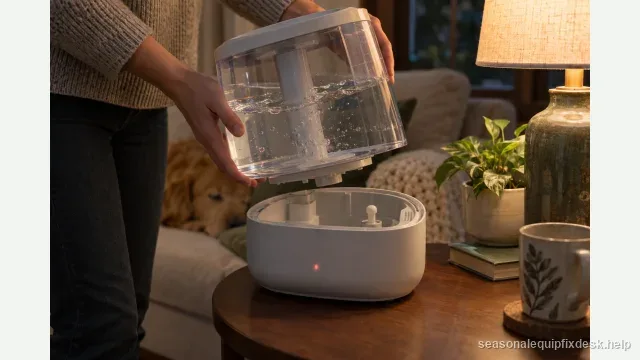 Humidifiers
Humidifier Red Water Light Stays On With a Full Tank
A full humidifier tank with a red low-water light? Check the model indicator, tank valve, base level, and float safely.
5 min read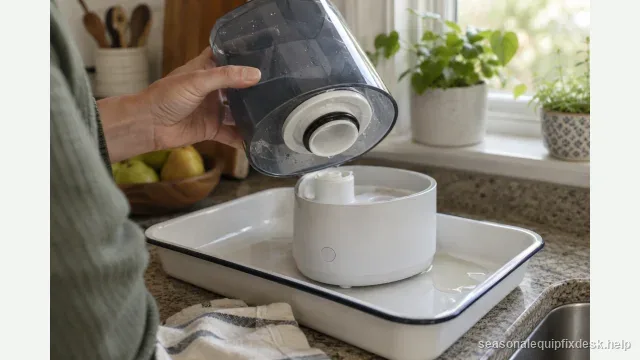 Humidifiers
Humidifier Leaking Water? Trace the First Wet Point
Trace water from tank and cap to the base, wick, and drain. Keep water away from electrical parts and use the first wet point to narrow the leak.
8 min read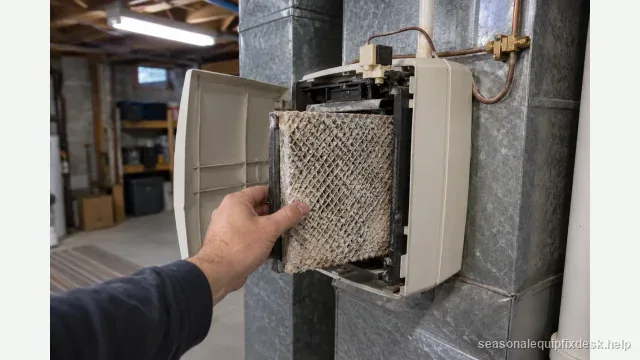 Humidifiers
Furnace Humidifier Not Working or Leaking? Safe Checks
Check humidistat demand, blower, water supply, and drain separately. Locate the first wet point, then know which checks belong to HVAC service.
7 min read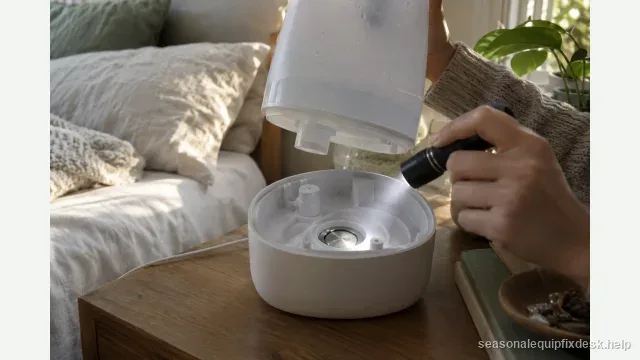 Humidifiers
Humidifier Is Running but Room Humidity Won’t Rise
If a humidifier mists normally but the room's humidity will not rise, the cause is usually sizing, sensor accuracy, or airflow.
5 min readDehumidifiers (4)
 Dehumidifiers
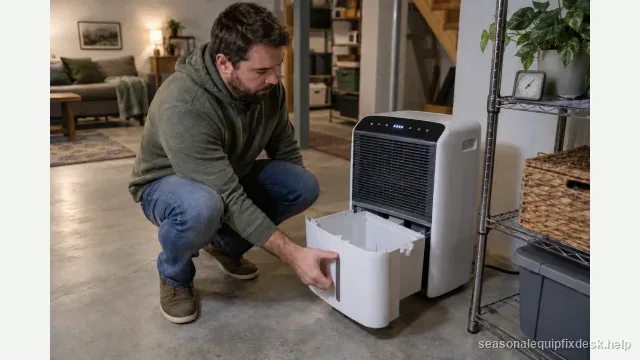
Dehumidifier Running but Not Collecting Water? Checks
If a dehumidifier runs without collecting water, check room temperature, humidity demand, airflow, frost, and drainage before arranging service.
5 min read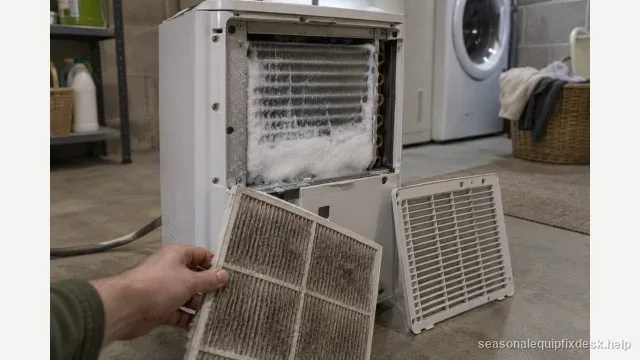 Dehumidifiers
Dehumidifier Coils Freezing? Check Airflow & Room Temp
Check room temperature, filter, airflow, and defrost behavior before assuming a sealed-system fault. Use the exact manual and stop for service indicators.
5 min read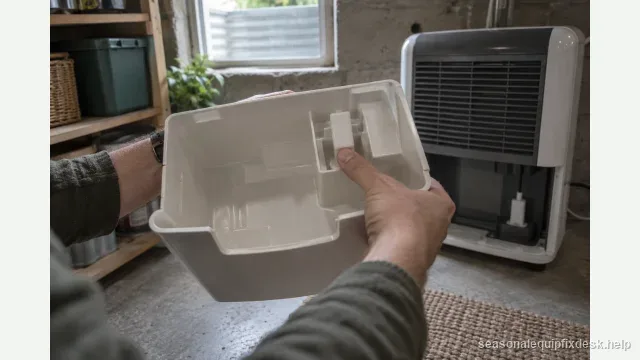 Dehumidifiers
Dehumidifier Says Bucket Full When It Is Empty
An empty dehumidifier bucket with a full warning usually points to bucket seating, float travel, switch actuation, or magnet position. Check mechanics first.
6 min read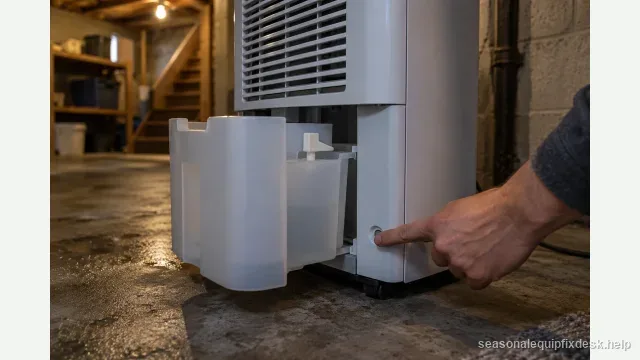 Dehumidifiers
Dehumidifier Won’t Turn On? Outlet, Bucket & Reset Checks
Start with outlet power, bucket seating, controls, filter, and the model’s restart delay. Stop after the external checks if it remains off.
5 min readSpace Heaters (6)
 Space Heaters
Space Heater Keeps Turning Off? Normal Cycling vs Fault
See when heater cycling is normal. Check thermostat settings, tip-over protection, airflow, and power in order; stop if a cord, plug, or heater is damaged.
6 min read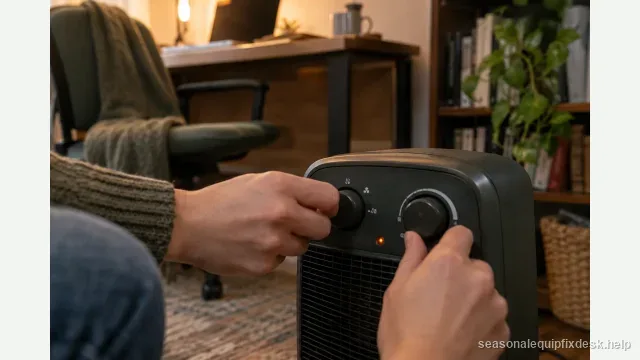 Space Heaters
Space Heater Fan Runs, No Heat? Safe Checks
Fan runs but no heat? Check mode, thermostat demand, airflow, and external damage. Internal heater cutoffs and elements need qualified service.
5 min read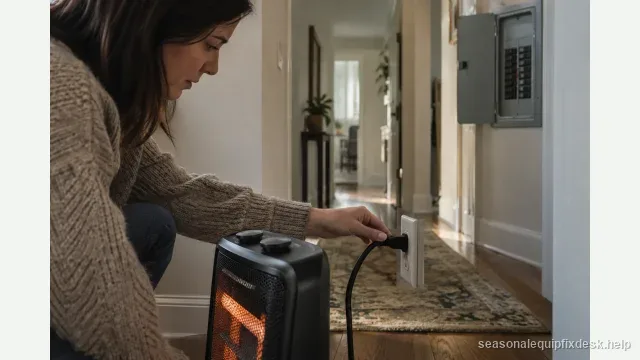 Space Heaters
Space Heater Trips the Breaker? Safe Load & Stop Checks
Repeated trips can signal overload or a fault. Unplug and check heater load, cord, plug, outlet, and damage; never keep resetting a hot circuit.
8 min read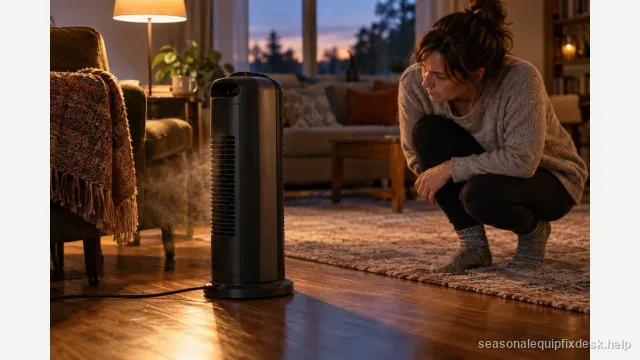 Space Heaters
Space Heater Burning Smell: Safe Checks
Learn when first-use dust odor may fade and when smoke, sparks, damage, or persistent odor means turn off, unplug if safe, and contact support.
5 min read Space Heaters
Space Heater Keeps Shutting Off? Thermostat Checks
Learn why a space heater keeps shutting off, separate normal thermostat cycling from a fault, and try safe checks before contacting service.
8 min read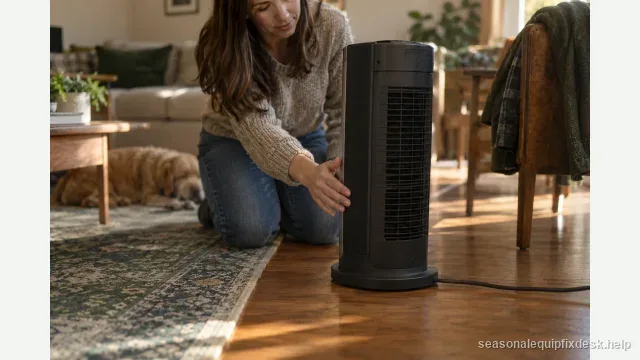 Space Heaters
Oil-Filled Radiator Heater Not Heating Up or Running Cold
Safely diagnose an oil-filled radiator that stays cold: check its controls, wall outlet, cord, placement, and warm-up before arranging service.
7 min read